


| Definition | Persistent or recurrent difficulty achieving or maintaining an erection suitable for satisfactory sexual activity. |
|---|---|
| Causes | Anatomical, Vascular, hormonal, anatomical, neurological, medication-related, psychological and lifestyle factors. |
| Symptoms | Difficulty getting or maintaining an erection, reduced firmness or changes in spontaneous erections. |
| Diagnosis | Medical and sexual history, physical examination and selected blood or other investigations. |
| Treatment | Depends on the underlying cause and may include lifestyle and health optimisation, oral medication, regenerative low-intensity shockwave therapy (LiSWT), vacuum erection therapy, penile injections, and penile implants or prosthesis. |
Erectile dysfunction (ED) is more common than many men realise, yet it remains something that can be difficult to talk about. A Singapore population study of men aged 30 and above found that 51.3% reported some degree of erectile dysfunction, with prevalence increasing with age.
Having occasional difficulty with an erection does not necessarily mean you have erectile dysfunction. Tiredness, stress, alcohol and other temporary factors can affect sexual performance from time to time. When erection difficulties become persistent or recurrent, however, it is worth finding out why.
Most importantly, erectile dysfunction is treatable, and the right approach depends on what is causing the problem.
What Is Erectile Dysfunction?
@drjollyurology Think ED only happens to older men? 🚨 Think again! Watch to get the FACTS right from Dr. Joe💡☝🏼 urology doctor menshealth fyp EDawareness
♬ original sound - Dr Joe Lee | Urology - Dr Joe Lee | Urology
Erectile dysfunction refers to the persistent or recurrent inability to achieve or maintain an erection that is firm enough for satisfactory sexual activity.
An erection involves a coordinated response between the brain, nerves, hormones, blood vessels and penile tissues. During sexual stimulation, blood flow into the penis increases and the erectile tissues expand. Blood is then retained within the penis to maintain firmness.
A disruption at any point in this process can affect erectile function.
Are There Different Types of Erectile Dysfunction?
@drjollyurology Too soft? Too quick? Too stressed 😟? ED has many causes—Dr. Joe explains them all (and yes, there are solutions). urology doctor menshealth fyp EDawareness
♬ original sound - Dr Joe Lee | Urology - Dr Joe Lee | Urology
There are several types of erectile dysfunction, namely:
- Vasculogenic ED – impaired blood flow into the penis or difficulty retaining blood during an erection
- Neurogenic ED – disruption of the nerve signals required for erection
- Hormonal ED – endocrine problems that contribute to sexual dysfunction
- Psychogenic ED – psychological factors affecting sexual arousal or erectile response
- Medication- or treatment-related ED – erectile difficulties associated with certain medicines, surgery, radiotherapy or other treatment
- Anatomical or penile deformities – conditions, such as Peyronie's disease or penile injury that interfere with erection or intercourse
More than one mechanism can contribute to erectile dysfunction at the same time.
What Causes Erectile Dysfunction?

The condition does not have one universal cause. Several factors may contribute at the same time, which can include:
Penile and urological causes
- Peyronie's disease and penile curvature – scar tissue and abnormal curvature can cause painful erections or make it difficult to achieve or maintain sufficient rigidity for sexual activity
- Penile injury or other urological conditions – damage to penile tissues, blood vessels or structures involved in erections can interfere with the normal blood flow or physical changes required for an erection
Vascular and cardiovascular causes
- High blood pressure, high cholesterol and atherosclerosis – damage, narrowing or stiffening of the blood vessels can reduce the blood flow needed to produce and maintain an erection
- Cardiovascular disease – conditions affecting the heart and circulation can impair overall blood vessel function, which can also reduce penile blood flow
- Diabetes – persistently high blood sugar can damage both blood vessels and nerves, disrupting the blood flow and nerve signals needed for an erection
Hormonal causes
- Low testosterone – testosterone deficiency may affect erectile function, particularly when it also reduces sexual desire and other aspects of sexual function
- Other endocrine disorders – problems involving the pituitary gland, thyroid or other hormonal systems can disrupt the hormonal signals involved in sexual function and erections
Neurological causes
- Neurological conditions or nerve injury – disorders affecting the brain, spinal cord or pelvic nerves, as well as nerve injury following prostate cancer treatment or pelvic surgery, may disrupt the signals required for erection
Medication and treatment-related causes
- Certain medications – some medicines can interfere with blood flow, nerve signalling or hormonal function, resulting in erectile difficulties as a side effect
- Cancer treatment and other medical treatments – prostate surgery, radiotherapy or other treatments may affect the nerves, blood vessels or hormones involved in erectile function
Psychological and relationship factors
- Stress, anxiety and performance concerns – psychological stress or worry about sexual performance can interfere with arousal and make achieving or maintaining an erection more difficult
- Depression and relationship difficulties – changes in mood, emotional wellbeing or intimacy can reduce sexual interest or interfere with the psychological aspects of arousal
Lifestyle and behavioural factors
- Smoking and tobacco use – tobacco can damage the lining of blood vessels and impair the circulation required for an erection
- Heavy alcohol consumption – excessive alcohol can interfere with nerve signalling, hormones and blood vessel function, affecting erectile responses
- Physical inactivity – low physical activity can contribute to poorer cardiovascular and metabolic health, reducing factors important for healthy erectile function
- Poor sleep – chronic sleep disruption may affect testosterone levels, vascular health and other physiological processes involved in sexual function
What Are the Possible Signs of Erectile Dysfunction?

Erectile dysfunction does not always look the same from one man to another, with common signs including:
- Difficulty getting an erection – sexual stimulation may not consistently result in an erection
- Difficulty maintaining an erection – an erection may develop but become less firm or disappear before sexual activity is completed
- Reduced erection firmness – you may be able to achieve an erection but find that it is not firm enough for satisfactory sexual activity
- Changes in spontaneous or morning erections – a noticeable reduction in erections that previously occurred naturally may provide useful information during a medical assessment
- Reduced sexual confidence – repeated erection difficulties can affect confidence, intimacy and willingness to engage in sexual activity
What Factors Increase the Risk of Erectile Dysfunction?
Potency problems become more common with age, but age alone is not the cause. Risk is higher in men with:
- Diabetes, high blood pressure, high cholesterol or cardiovascular disease
- Obesity or low physical activity
- Smoking or heavy alcohol use
- Hormonal disorders
- Certain medications
- Previous pelvic or prostate surgery
- Neurological disease
- Ongoing stress, anxiety or depression
These factors may affect blood flow, nerve function, hormones or sexual response and several may occur together.
Can Erectile Dysfunction Be a Sign of Another Health Problem?

Sometimes, persistent erectile dysfunction can be more than an isolated sexual concern.
The blood vessels supplying the penis are relatively small, so changes in vascular function may become apparent through erectile difficulties before other cardiovascular symptoms develop. Erectile dysfunction is also associated with conditions such as diabetes, hypertension and cardiovascular disease.
This does not mean that every man with erectile dysfunction has heart disease. Rather, persistent or unexplained erectile dysfunction may be a reason to review cardiovascular, metabolic and hormonal health as part of a broader assessment.
How Is Erectile Dysfunction Diagnosed in Singapore?
There is no single test that explains every case of erectile dysfunction. A specialist assessment looks at your sexual function alongside your general and urological health:
- Medical and sexual history – our urologist will discuss when the problem started, how consistently it occurs, your libido, ejaculation, spontaneous or morning erections, medications, medical conditions and lifestyle. Psychological and relationship factors may also be relevant.
- Physical examination – examination of the penis and testes, together with assessment of pulses and other physical findings, may provide clues about structural, hormonal or vascular causes.
- Blood tests – depending on your symptoms and medical history, tests may assess testosterone, blood glucose, cholesterol and other relevant health markers.
- Cardiovascular and metabolic assessment – blood pressure, diabetes and other cardiovascular risk factors may be reviewed because healthy blood vessels are essential for erectile function.
- Penile Doppler ultrasound – in selected cases where a vascular cause is suspected or further haemodynamic assessment is needed, penile Doppler ultrasound may be considered to evaluate penile blood flow.
- Rigiscan - an objective and non-invasive way to measure penile health by measuring erections during sleep (NPT nocturnal penile tumescence) or under arousal (AVSS audio-visual sexual stimulation).
- Further investigations – additional testing may be considered when the diagnosis remains unclear or when a specific vascular, neurological or structural problem is suspected. Not every man requires extensive testing.
How Is Erectile Dysfunction Treated in Singapore?
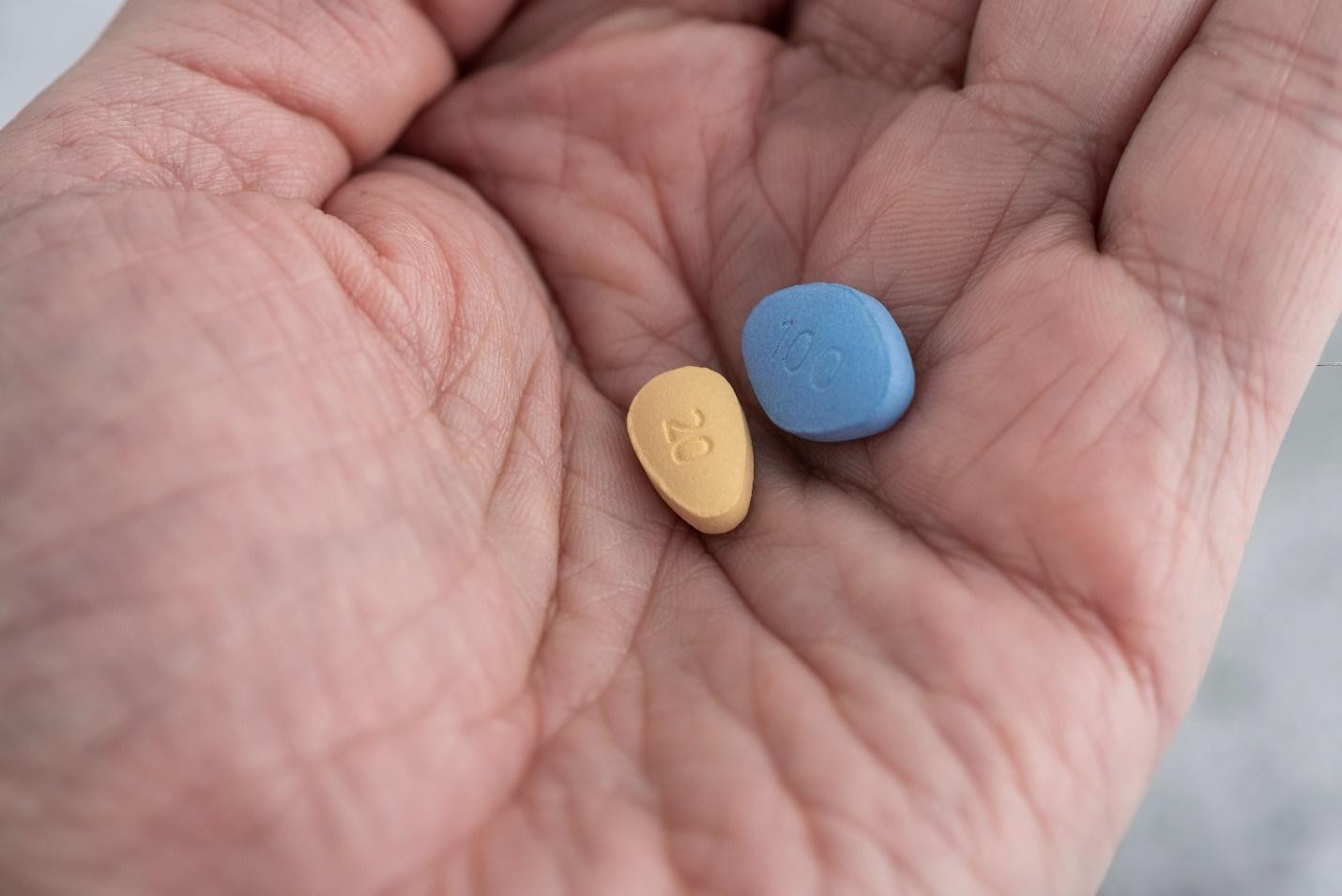
The treatment should be matched to the underlying cause, severity of erectile dysfunction, overall health and personal preferences. There is no single treatment that is right for every man and may involve a combination of the following options:
Lifestyle and health optimisation
- Stopping smoking – removing tobacco exposure can support healthier blood vessel function
- Reducing excessive alcohol intake – limiting heavy alcohol consumption may improve factors that contribute to sexual dysfunction
- Regular exercise and weight management – physical activity and maintaining a healthy weight can support cardiovascular and metabolic health
- Managing underlying conditions – good control of diabetes, blood pressure and cholesterol can help address factors contributing to erectile dysfunction
- Psychological or psychosexual support – where stress, anxiety, performance concerns or relationship factors contribute to erectile dysfunction, counselling or psychological therapy may form part of treatment alongside medical management
Oral ED medication
- PDE5 inhibitors – oral medicines such as sildenafil and tadalafil improve the erectile response by increasing penile blood flow during sexual stimulation. They are established treatments for erectile dysfunction, although suitability depends on your health, other medications and the underlying cause of ED. They must not be combined with nitrate medications because this can cause a dangerous fall in blood pressure.
Non-surgical and medical treatments
- ED Shockwave Therapy (Li-ESWT) – low-intensity extracorporeal shockwave therapy has been studied mainly in men with vasculogenic erectile dysfunction. Some evidence suggests modest improvement in erectile function in selected patients, but outcomes vary and the evidence is less established than for standard treatments such as PDE5 inhibitors. Suitability depends on the underlying cause, severity of ED and individual treatment goals.
- Vacuum Erection Therapy – a vacuum device uses negative pressure to draw blood into the penis and produce an erection. At the same time, a constriction ring may help maintain firmness during sexual activity. It is a non-invasive option that may be suitable for men who prefer a mechanical approach or cannot use certain other treatments.
- Intracavernosal Injection – medication is injected directly into the erectile tissue to produce an erection. This can be an effective option for men who do not respond adequately to other treatments or have certain forms of erectile dysfunction, including some cases related to nerve damage. Proper instruction is important to ensure the medication is used safely and correctly.
- Testosterone Replacement Therapy (TRT) – TRT may be appropriate for men with confirmed testosterone deficiency accompanied by relevant symptoms. However, low testosterone and erectile dysfunction are not the same condition, so TRT is not routinely used simply because a man has erectile difficulties. Testosterone treatment can also suppress sperm production, making it particularly important for men who are trying to conceive to discuss their fertility plans with an andrology-focused urologist first.
Surgical treatment
- Penile Implants – a penile implant may be considered for men with persistent or severe erectile dysfunction when other treatment options have not provided satisfactory results, or when a definitive surgical approach is preferred. The prosthesis is surgically placed within the penis and allows an erection to be created when desired. As this is a surgical treatment, careful assessment and discussion of expectations are important before proceeding.
Can Erectile Dysfunction Be Treated?
@drjollyurology ED isn’t a life sentence! ❌ With options like low-intensity shockwave (aka pulse/electrotherapy), injections, and implants, many men can get back in action. 🍆 urology menshealthawareness doctorsoftiktok fyp EDawareness
♬ original sound - Dr Joe Lee | Urology - Dr Joe Lee | Urology
Erectile dysfunction can often be improved with appropriate treatment, although the response depends on its underlying cause, severity and the man's overall health.
Treatment may involve addressing contributing health conditions, lifestyle changes, oral ED medication, vacuum therapy, injections, selected device-based treatments or surgery. For some men, erectile function improves when an underlying issue such as poorly controlled diabetes, medication effects or hormonal deficiency is addressed. Others may require ongoing treatment to maintain satisfactory erections.
The aim of assessment is therefore to identify the factors affecting erectile function and determine which treatment options are appropriate rather than assuming that every man requires the same approach.
Why Choose an Andrology-Focused Urologist for Erectile Dysfunction?

Erectile function sits at the intersection of vascular health, hormones, nerves, sexual function and urology. When difficulties persist, looking at the erection alone may not provide the full picture.
Dr Joe Lee is a Senior Consultant Urologist with a subspecialty focus in andrology, men's health and sexual health. His practice includes the assessment and treatment of erectile dysfunction using both non-invasive and surgical approaches.
An andrology-focused assessment can also be particularly useful when ED occurs alongside other concerns, such as low testosterone, male infertility, penile conditions or other urological problems. Rather than assuming that every man requires the same solution, Dr Lee can assess the factors contributing to the problem and discuss the most appropriate treatment options.
When Should You See a Urologist for Erectile Dysfunction?
Occasional erection difficulty can occur, but assessment may be worthwhile when the problem becomes persistent, recurrent or begins affecting sexual activity or confidence.
Medical review is also useful when ED occurs alongside reduced libido, penile curvature, infertility or symptoms suggesting cardiovascular, metabolic or hormonal problems.
If you are concerned about persistent erectile difficulties, book an appointment with Dr Joe Lee for an assessment of the possible causes and appropriate treatment options.
Frequently Asked Questions
ED refers to difficulty achieving or maintaining an erection that is firm enough for satisfactory sexual activity. Low libido, on the other hand, means having a reduced desire or interest in sexual activity.
The two can occur together, but they are not the same problem. A man may have a normal sex drive but struggle to maintain an erection, or have reduced sexual desire while still being physically able to achieve an erection.