


| Definition | Benign enlargement of the prostate gland that can narrow the urinary passage and affect bladder emptying. |
|---|---|
| Symptoms | A weak urine stream, difficulty starting, frequent or urgent urination, nighttime urination and incomplete bladder emptying. |
| Diagnosis | Assessment may include medical history, symptom scoring, physical examination, urine testing, PSA testing, uroflow testing and other prostate or bladder investigations when appropriate. |
| Treatment | Depending on symptoms and prostate findings, management may range from monitoring and medication to procedures such as TURP, HoLEP, Rezum and UroLift. |
The good news is that BPH is benign, meaning it is not prostate cancer. However, significant prostate enlargement can interfere with urination and, in some men, eventually contribute to complications affecting the bladder or kidneys.
What Is an Enlarged Prostate?
@drjollyurology Often confused with Prostate cancers. What’s a BIG Prostate? It’s called BPH—non-cancerous but can mess with your flow. Men over 50, watch for those slow streams and frequent trips! 🚻 #urology #doctor #menshealth #fyp #bph
♬ original sound - Dr Joe Lee | Urology - Dr Joe Lee | Urology
The prostate is a gland located below the bladder and surrounds part of the urethra, the tube that carries urine out of the body. As men age, prostate tissue can gradually increase in size, especially when they are 50 years old and older.
As prostate tissue enlarges around the urethra, it can narrow the urinary passage and increase resistance to urine flow. The bladder may then need to work harder to push urine through the narrowed outlet.
It is important to distinguish prostate size from symptom severity. A man with a relatively large prostate may have few symptoms, while another with a smaller degree of enlargement may experience significant difficulty urinating.
What Causes an Enlarged Prostate?
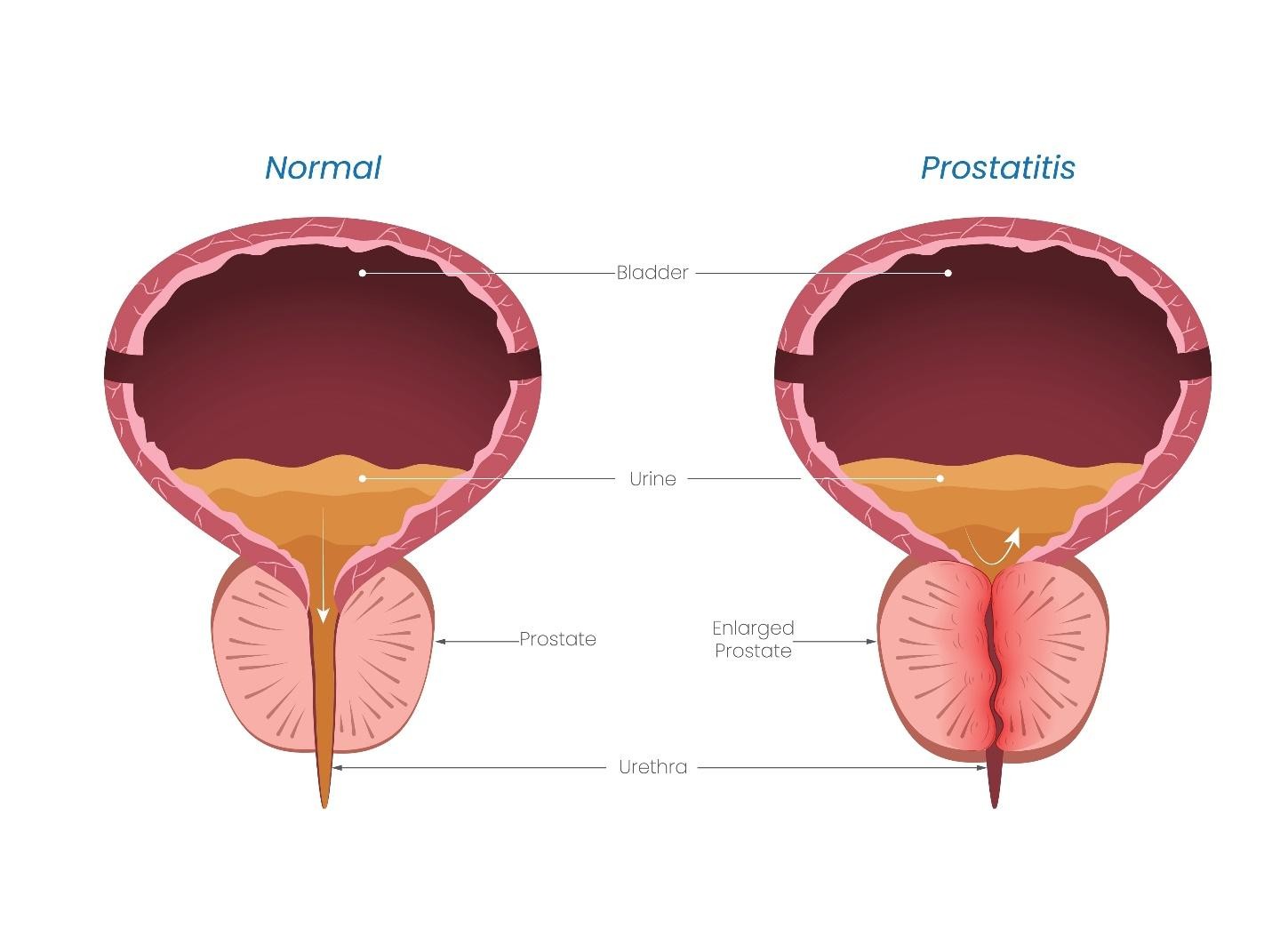
There is no single event that causes BPH. The prostate is a male sex organ and enlargement is thought to result from changes in prostate tissue associated with ageing and hormonal signalling.
The key factors include:
- Age-related prostate growth – prostate tissue tends to undergo gradual cellular growth as men get older, making BPH increasingly common with age
- Hormonal influence – androgens, particularly dihydrotestosterone (DHT), play an important role in maintaining and regulating prostate tissue
- Changes in prostate tissue regulation – interactions between hormones, growth factors and prostate cells can promote continued tissue growth over time
As such, BPH develops as part of a complex biological process rather than because of something a man has done incorrectly.
What Are the Symptoms of an Enlarged Prostate?
Symptoms generally arise because the enlarged prostate affects the way urine is stored or passed, such as:
- Weak urine stream – urine may take longer to pass because the flow is restricted through the prostate
- Difficulty starting urination – you may need to wait or strain before urine begins to flow
- Stopping and starting – the urine stream may become intermittent rather than continuous
- Frequent urination – the need to urinate may become more frequent, including during the daytime
- Nighttime urination – waking once or several times during the night to pass urine, known as nocturia
- Incomplete emptying – you may feel that urine remains in the bladder after urinating
- Post-void dribbling – a small amount of urine may leak after you think you have finished urinating
- Urgency – a sudden, difficult-to-delay need to urinate may develop
These symptoms are collectively known as lower urinary tract symptoms (LUTS) and are not exclusive to BPH. Other urinary conditions can produce similar symptoms, which is why persistent changes should be assessed rather than automatically attributed to an enlarged prostate.
Seek prompt medical assessment if you develop:
- Sudden inability to urinate despite a full bladder
- Blood in the urine, particularly if unexplained or recurrent
- Fever or chills with urinary symptoms, which may indicate infection
- Severe lower abdominal, back or flank pain
- Recurrent urinary tract infections
- Worsening difficulty emptying the bladder
Who Is at Risk of Developing an Enlarged Prostate?
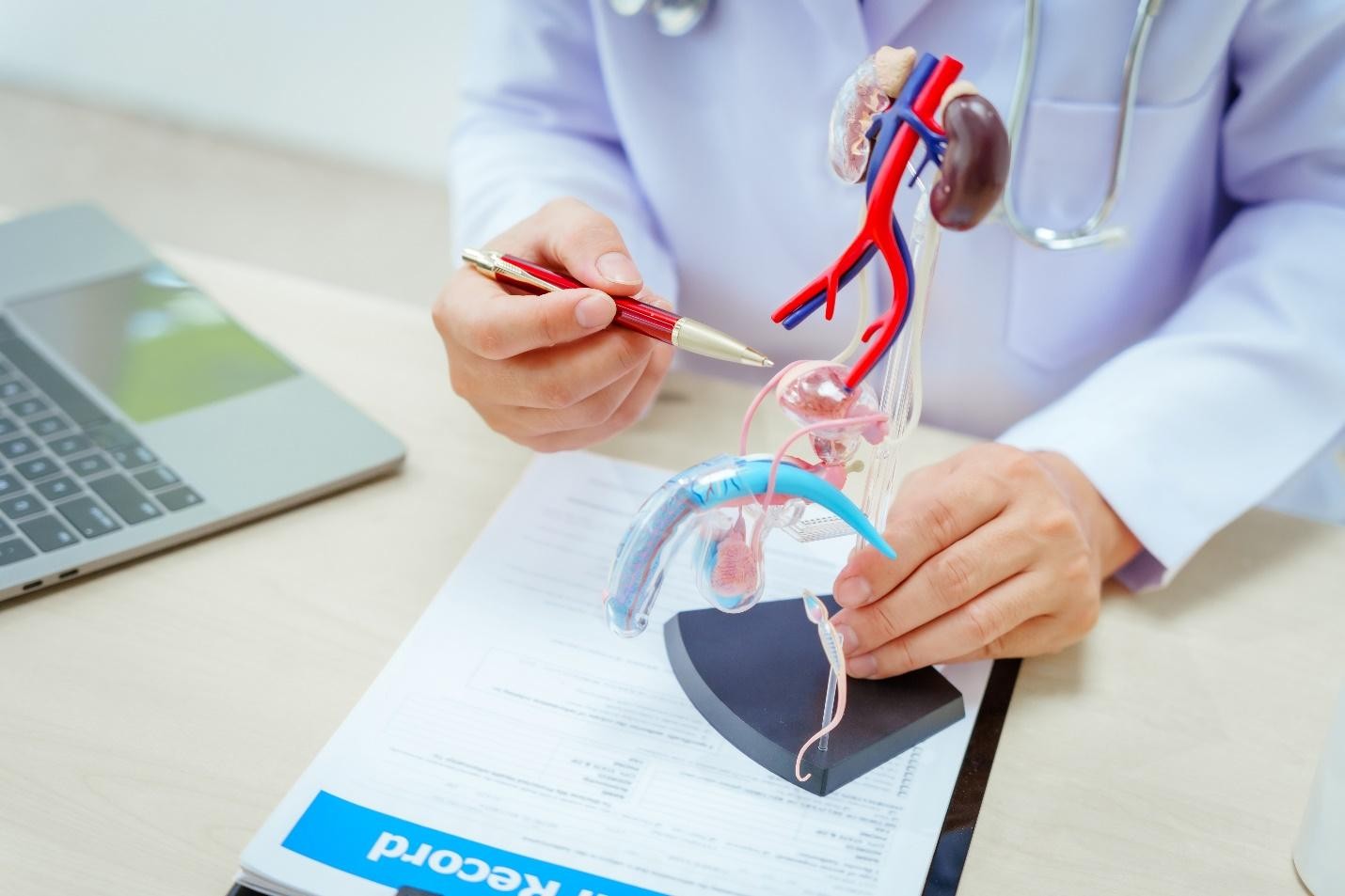
While an enlarged prostate is a common condition, certain factors make prostate enlargement more likely, particularly:
- Advancing age – the likelihood of developing BPH increases as prostate tissue undergoes age-related changes
- Family history – men with a family history of BPH may have a greater susceptibility to developing clinically significant prostate enlargement
- Metabolic health problems – conditions such as obesity and diabetes have been associated with an increased likelihood of BPH and lower urinary tract symptoms
What Complications Can an Enlarged Prostate Cause?
Many men live with BPH without developing serious complications. However, persistent obstruction can place increasing demands on the bladder and, in more advanced cases, affect the upper urinary tract.
Potential complications include:
- Acute urinary retention – the bladder suddenly becomes unable to pass urine despite being full, which requires prompt medical attention
- Chronic incomplete bladder emptying – persistent residual urine may increase the risk of infection, bladder stones and progressive bladder dysfunction
- Recurrent urinary tract infections – urine that remains in the bladder can create conditions that make infection more likely
- Bladder stones – retained urine and obstruction can contribute to stone formation within the bladder
- Bladder changes – prolonged obstruction can cause the bladder muscle to thicken or become less effective at emptying
- Kidney problems – severe or longstanding obstruction can, in some cases, affect the kidneys and kidney function
What Is the Difference Between BPH and Prostate Cancer?
@drjollyurology BPH vs. Prostate Cancer. Tune in to know the difference! 🧬 #urology #doctor #menshealth #fyp #bph #prostatecancer
♬ original sound - Dr Joe Lee | Urology - Dr Joe Lee | Urology
BPH and prostate cancer are different conditions, although they can occur in the same man, particularly with increasing age.
ELEMENTS | BPH | PROSTATE CANCER |
What it is | Non-cancerous enlargement of prostate tissue | Abnormal growth of cancerous prostate cells |
Can it spread | No, BPH does not spread to other parts of the body | It can spread beyond the prostate if it progresses |
Effect on urination | Can narrow the urethra and cause urinary symptoms | May cause urinary symptoms similar to BPH, although early prostate cancer often causes no symptoms |
Relationship to cancer | BPH does not turn into prostate cancer | A separate disease that can develop independently of BPH |
Urinary symptoms alone cannot reliably distinguish BPH from prostate cancer. Significant BPH can cause troublesome urinary symptoms without cancer, while early prostate cancer may cause no urinary symptoms at all.
BPH does not turn into prostate cancer, but both conditions can occur in the same man. Where clinically appropriate, assessment may therefore include examination, PSA testing and further investigation.
How Is an Enlarged Prostate Diagnosed in Singapore?
There is no single test that determines whether BPH causes a man's urinary symptoms. The aim is not simply to determine how large the prostate is, but to establish whether prostate enlargement is responsible for the symptoms, whether the bladder is emptying adequately and whether another urinary condition may be involved.
This may include:
- Medical review – our urologist will ask about your urinary symptoms, their duration, severity, nighttime urination, medications, medical conditions and how the symptoms affect your quality of life
- Physical examination – this may include a digital rectal examination (DRE) to assess the prostate's size, consistency and other physical characteristics
- Symptom assessment – a validated questionnaire such as the International Prostate Symptom Score (IPSS) can help quantify symptom severity and monitor changes over time
- Urine flow and bladder assessment – uroflowmetry can measure the rate of urine flow, while a post-void residual assessment can determine how much urine remains in the bladder after urination
- Urine testing – a urine test can help identify infection, blood or other findings that may point towards a different cause of urinary symptoms
- Prostate-specific antigen (PSA) blood test – PSA testing may be considered depending on age, symptoms, prostate findings and whether the result would influence further assessment or management
- Prostate imaging – ultrasound may be used to assess prostate volume, prostate shape and other urinary tract findings, particularly when treatment decisions are being considered
However, not every man needs every test. Investigations will be selected according to the individual's symptoms and clinical findings. Additionally, cystoscopy or more advanced imaging is generally reserved for situations where symptoms, haematuria, recurrent infection, suspected obstruction or planned intervention make them clinically relevant.
How Is an Enlarged Prostate Treated in Singapore?
@drjollyurology Got BPH? From meds to lifestyle tweaks, and even surgery—there's a way to treat it! Learn your options and take control. 💪 #urology #doctor #menshealth #fyp #bph
♬ original sound - Dr Joe Lee | Urology - Dr Joe Lee | Urology
Treatment depends on the severity and impact of urinary symptoms, the degree of obstruction, prostate size and anatomy, whether complications have developed and the patient's treatment goals.
Conservative management and medication
For men with mild symptoms that are not significantly affecting daily life, initial management may include:
- Lifestyle changes – limiting caffeine and alcohol, adjusting fluid intake and maintaining regular physical activity may help reduce urinary frequency and urgency. Pelvic floor exercises may also support bladder control in selected men
- Medication – medicines such as alpha blockers can relax the muscles around the prostate and bladder outlet to improve urine flow, while 5-alpha-reductase inhibitors can gradually reduce prostate volume in suitable men with prostate enlargement
Minimally invasive procedure
- Water vapour therapy (Rezūm) – uses steam energy to treat targeted prostate tissue, which gradually shrinks and creates more space for urine to pass
- Prolieve Thermodilatation – uses controlled microwave energy to heat and treat prostate tissue, reducing the obstruction to urine flow in selected men
- UroLift system – small implants are placed to hold obstructing prostate tissue away from the urethra, creating a wider urinary passage without removing the prostate tissue
Surgical treatment
- Transurethral Resection of the Prostate (TURP) – prostate tissue obstructing the urethra is removed through a surgical instrument passed through the urinary passage, creating a wider channel for urine to flow
- Holmium Laser Enucleation of the Prostate (HoLEP) – a laser is used to separate and remove the enlarged prostate tissue that is compressing the urethra, relieving the blockage and improving urine flow
If the urinary passage is completely blocked
Acute urinary retention is the sudden inability to urinate despite having a full bladder. It can cause significant lower abdominal discomfort and requires prompt medical attention.
Initial treatment usually involves draining the bladder with a urinary catheter. The underlying cause can then be assessed and longer-term BPH treatment considered where appropriate.
When Should You See a Urologist for an Enlarged Prostate?
Urinary symptoms such as a weak stream, frequent urination or nocturia are not always caused by BPH. A urological assessment can help determine whether prostate enlargement is responsible, whether the bladder is emptying adequately and whether another urinary condition needs to be considered.
Dr Joe Lee is a Senior Consultant Urologist whose practice includes prostate and urinary conditions. Depending on your symptoms and findings, management may range from monitoring and medication to selected minimally invasive procedures or surgery.
If urinary symptoms are affecting sleep, work or daily activities, or you are concerned about difficulty emptying your bladder, book an appointment to discuss the possible cause and appropriate next steps.
Frequently Asked Questions
BPH does not directly cause erectile dysfunction in every man. However, urinary symptoms, ageing, underlying cardiovascular or metabolic conditions and some treatments for BPH can coexist with or contribute to sexual difficulties. Men experiencing both urinary and erectile symptoms can have both concerns assessed together.
Yes, BPH can sometimes cause blood in the urine because enlarged prostate tissue may contain fragile blood vessels that can bleed. However, blood in the urine should not automatically be attributed to BPH, particularly when it is visible, recurrent or unexplained, as other urinary conditions may need to be excluded.