


| Definition | A foreskin that is too tight to retract comfortably over the head of the penis. |
|---|---|
| Causes | Scarring, inflammation, infection and certain skin conditions can cause or worsen foreskin tightness. |
| Symptoms | Difficulty retracting the foreskin, pain during erections or intercourse, swelling, recurrent inflammation, repeated skin tears and difficulty cleaning underneath the foreskin. |
| Complications | Recurrent infections, painful erections, difficulty urinating and, in severe cases, paraphimosis or significant scarring. |
| Diagnosis | Usually based on a medical history and physical examination of the foreskin and penis. |
| Treatment | Depending on the cause and severity, treatment may include medical management or circumcision. |
A tight foreskin can cause difficulty retracting the skin over the head of the penis and may lead to pain, recurrent inflammation, repeated skin tears, difficulty cleaning or discomfort during sexual activity. In adults, phimosis that is new or progressively worsening can sometimes be caused by scarring or an underlying skin condition, making assessment important when symptoms persist.
What Is Tight Foreskin (Phimosis)?
Phimosis refers to a foreskin that cannot be retracted fully over the glans, or head, of the penis.
In adults, phimosis may have been present for many years or may develop later after the foreskin was previously retractable. Acquired phimosis is particularly important to assess because inflammation, recurrent infection, scarring or skin conditions such as lichen sclerosus may be responsible.
Depending on the cause and severity, treatment may include treatment of underlying inflammation, prescribed topical corticosteroids in selected cases or circumcision.
What Causes Tight Foreskin (Phimosis) in Adults?
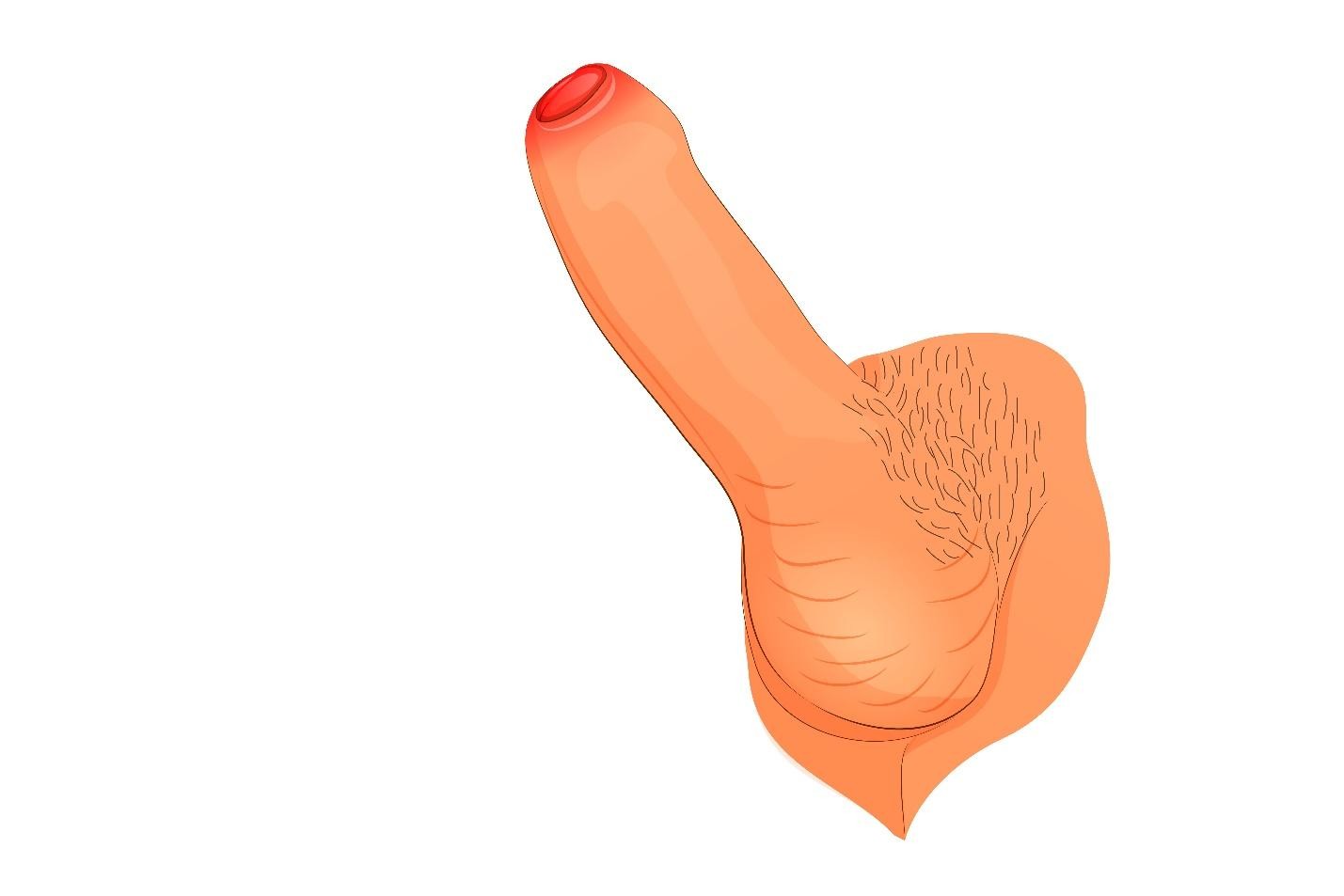
Several conditions can cause the foreskin to become less flexible or progressively narrow the foreskin opening, including:
- Scarring and inflammation – repeated inflammation or repeated skin tears can damage the foreskin and cause scar tissue to form, making it less elastic and harder to retract
- Balanitis and balanoposthitis – recurrent infections of the glans or foreskin can cause swelling and irritation, which may eventually lead to scarring and tightening
- Lichen sclerosus – this chronic inflammatory skin condition can cause whitening, thinning and scarring of the foreskin, resulting in progressive narrowing
- Diabetes – diabetes can increase the risk of genital infections and inflammation, which may contribute to acquired phimosis and foreskin scarring
- Trauma or repeated irritation – forceful retraction or repeated injury to an inflamed foreskin can cause small tears that heal with scar tissue, potentially making the tightness worse
What Are the Symptoms of Tight Foreskin (Phimosis)?
The degree of tightness and the underlying cause determine how symptoms present. Common problems include:
- Difficulty retracting the foreskin – the foreskin may only retract partially or may no longer retract at all
- Difficulty urinating – severe narrowing can interfere with the urinary opening and cause problems with urine flow
- Pain during erections – stretching of a tight foreskin can cause discomfort when the penis becomes erect
- Pain during sexual activity – friction and stretching may cause pain during intercourse or masturbation
- Swelling or redness – inflammation around the foreskin or glans may cause visible irritation’
- Recurrent infections – inflammation or infection may repeatedly affect the foreskin and glans
- Difficulty maintaining hygiene – restricted retraction can make it harder to clean beneath the foreskin
What Complications Can Tight Foreskin (Phimosis) Cause?
Mild phimosis may cause little difficulty, but significant or progressive tightness can lead to problems such as:
- Recurrent balanitis – persistent difficulty retracting and cleaning the foreskin can contribute to repeated inflammation
- Pain during erections or sex – the narrowed foreskin may stretch when the penis becomes erect, causing discomfort or tearing
- Urinary difficulty – severe narrowing can restrict the passage of urine through the foreskin opening
- Foreskin tears and worsening scarring – repeated stretching or injury can create small tears that heal with further scar tissue
- Paraphimosis – attempting to retract a severely tight foreskin can leave it trapped behind the glans, potentially restricting blood flow
What Is the Difference Between Phimosis and Paraphimosis?
Although the names sound similar, phimosis and paraphimosis describe two different problems:
|
ELEMENTS |
PHIMOSIS |
PARAPHIMOSIS |
|
Definition |
The foreskin is too tight to retract normally over the glans |
The foreskin has been retracted behind the glans but cannot be returned to its normal position |
|
Main concern |
The main problem is restricted foreskin movement |
The trapped foreskin can strangulate and cause swelling around the glans |
|
Symptoms |
It may cause pain, difficulty with hygiene, sexual discomfort or urinary problems |
It can restrict blood flow to the glans and may become a medical emergency |
|
Treatment |
Treatment depends on the cause and severity |
Urgent medical assessment is required |
Do not forcefully retract a tight foreskin. If the foreskin becomes stuck behind the glans and the penis becomes increasingly swollen, painful or discoloured, seek urgent medical attention
How Is Tight Foreskin (Phimosis) Diagnosed in Singapore?
Diagnosis is usually straightforward and focuses on understanding why the foreskin is tight and how significantly it is affecting you.
This involves:
- Medical review – our urologist will ask about when the tightness developed, whether the foreskin was previously retractable, pain during erections or intercourse, recurrent inflammation, urinary symptoms and previous treatment.
- Physical examination – the penis and foreskin will be examined to assess the degree of narrowing, scarring, inflammation, skin changes and whether the foreskin can be retracted safely.
- Assessment for underlying conditions – depending on the findings, additional assessment may be considered for underlying conditions such as diabetes, recurrent infection or inflammatory penile skin disease.
How Is Tight Foreskin (Phimosis) Treated in Singapore?
Depending on the cause, severity, degree of scarring and how much the condition is affecting sexual or urinary function, treatment may involve:
Medical and conservative treatment
Depending on the cause and degree of scarring, non-surgical treatment may be considered. This can include treatment of balanitis or other underlying inflammation and, in selected cases, a prescribed topical corticosteroid to help improve foreskin flexibility. Forceful stretching should be avoided because repeated tearing can worsen scarring.
Medical treatment may be less suitable when there is significant scarring or lichen sclerosus, and circumcision may be considered depending on the clinical findings.
Circumcision
Adult circumcision removes the foreskin and may be considered when phimosis is persistent, severely scarred, recurrently inflamed or continues to cause pain, urinary difficulty or sexual problems despite appropriate conservative treatment.
The decision is individualised rather than based on tightness alone. Our urologist will consider the condition of the foreskin, underlying cause, symptoms, sexual function and personal preferences.
When Should I See a Urologist for Tight Foreskin (Phimosis)?
You should consider an assessment if the foreskin has become progressively tighter, particularly if you previously had no difficulty retracting it.
A consultation is especially appropriate if you experience:
- Pain when retracting the foreskin or during erections
- Persistent skin changes (whitening, thickening, ulceration or unusual lesion on the foreskin or glans)
- Recurrent balanitis or inflammation
- Difficulty cleaning beneath the foreskin
- Pain during sexual activity
- Difficulty passing urine
- Bleeding, cracking or visible scarring
- A foreskin that has become increasingly tight over time
If the foreskin has become trapped behind the glans and cannot be returned to its normal position, seek urgent medical attention because this may be paraphimosis.
Why See an Andrology-Focused Urologist for Tight Foreskin (Phimosis)?
Dr Joe Lee is a Senior Consultant Urologist with a subspecialty focus in andrology and men's health. This is relevant when phimosis affects erections, sexual function or occurs alongside other penile or reproductive concerns.
A tight foreskin can gradually become more troublesome, particularly when inflammation or scarring is involved. You do not need to wait until it interferes significantly with urination or sexual activity before seeking an assessment.
Assessment can help determine whether the tightness is due to inflammation, scarring or another penile condition and whether medical treatment or circumcision is appropriate. Book an appointment to have your foreskin condition assessed and understand your treatment options.
Frequently Asked Questions
Phimosis does not directly cause most cases of erectile dysfunction. However, pain, anxiety and difficulty during sexual activity may interfere with sexual performance, so both conditions should be assessed separately when they occur together.