


| Definition | In young children, a non-retractable foreskin is commonly part of normal development. Pathological phimosis refers to abnormal tightening caused by scarring or disease. |
|---|---|
| Causes | Non-retractability is usually developmental in young children. Pathological phimosis may result from scarring, repeated inflammation or certain skin conditions. |
| Symptoms | Pain, recurrent inflammation, difficulty urinating, bleeding, cracking or progressive tightening may indicate that assessment is needed. |
| Diagnosis | Usually based on the child's history and a physical examination. |
| Treatment | Most children require reassurance and normal hygiene only. Selected cases of symptomatic or pathological phimosis may benefit from topical treatment, while surgery is reserved for persistent or significant problems. |
Parents may become concerned when they notice that their young son's foreskin does not pull back, particularly if they have been told that it should be retractable.
In many cases, there is nothing abnormal about this. The foreskin is naturally non-retractable in many babies and young boys, and it gradually becomes more mobile as the child grows. Trying to force it back before it is ready can cause injury and scarring, so knowing what is normal is an important part of caring for a child's foreskin.
The main concern is not simply whether the foreskin retracts, but whether the child has pain, inflammation, difficulty passing urine or other signs of an underlying problem.
Is a Non-Retractable Foreskin Normal in Young Children?
At birth, the foreskin is commonly attached to the glans and cannot be fully retracted. These natural attachments gradually separate as the child grows, but the timing varies considerably. Some boys develop partial retractability during early childhood, while others may not achieve full retraction until later childhood or puberty.
The foreskin may therefore progress from being completely non-retractable to partially retractable and eventually freely retractable without any treatment. Residual attachments between the foreskin and glans, known as preputial adhesions, are also common during this process.
A non-retractable foreskin that is healthy, painless and allows normal urination is generally part of normal development rather than pathological phimosis.
What Should Parents Do About a Tight Foreskin?
The most important principle is not to force the foreskin back.
If it does not retract naturally, parents do not need to pull it backwards to clean underneath. Forceful retraction can cause small tears in the foreskin, leading to inflammation and scarring. Once scar tissue forms, the foreskin may become tighter rather than more flexible.
For young children, routine hygiene can usually be kept simple. The outside of the penis can be washed gently during bathing without attempting to retract the foreskin.
When the foreskin eventually becomes naturally retractable, the child can be taught to gently pull it back, rinse underneath and return it to its normal position.
What Causes Pathological Phimosis in Children?

Pathological phimosis occurs when the foreskin becomes abnormally tight because of scarring or loss of elasticity.
Possible causes include:
- Repeated inflammation – recurrent inflammation of the foreskin or glans can damage the tissue and contribute to tightening
- Foreskin scarring – repeated irritation, injury or inflammation may cause scar tissue to form around the foreskin opening
- Forceful retraction – pulling the foreskin back before it is naturally ready can cause small injuries that heal with scarring
- Underlying inflammatory skin conditions – certain conditions affecting the penile skin can cause progressive scarring and tightening
This is why a foreskin that was previously becoming more mobile but later becomes increasingly tight should be assessed rather than assumed to be normal developmental phimosis.
What Is the Difference Between Normal Non-Retractability and Phimosis?
The key distinction is whether the foreskin is developing normally or has become abnormally tight because of scarring or inflammation.
|
ELEMENTS |
NORMAL DEVELOPMENTAL NON-RETRACTABILITY |
PATHOLOGICAL PHIMOSIS |
|
Definition |
The foreskin has not yet naturally separated from the glans or become sufficiently flexible. |
The foreskin opening has become abnormally tight, usually because of scarring or chronic inflammation. |
|
Typical pattern |
Common in young boys and usually part of normal development. |
Less typical and may develop after repeated inflammation, injury or scarring. |
|
Symptoms |
The child is generally comfortable and can urinate normally. |
May cause pain, recurrent inflammation, cracking, bleeding, urinary tract infections (UTIs) or urinary difficulties. |
|
Outcome |
The foreskin may gradually become more retractable as the child grows. |
The foreskin may become progressively tighter or develop a visibly scarred or whitish ring. |
|
Treatment |
Usually does not require treatment. |
May require medical treatment or surgery depending on the severity and underlying cause. |
Can a Tight Foreskin Affect Urination?
Most children with a naturally non-retractable foreskin continue to pass urine normally. Some may develop temporary ballooning of the foreskin during urination, where the foreskin expands briefly as urine passes beneath it.
When the child is otherwise comfortable and has a normal urinary stream, this is usually part of normal development and does not by itself mean that the urine passage is blocked.
However, persistent or marked ballooning should be assessed if it occurs alongside:
- A weak urinary stream
- Pain during urination
- Difficulty starting or passing urine
- Significant or persistent swelling
- Progressive tightening of the foreskin
If the child is unable to pass urine, seek urgent medical attention. Likewise, if the foreskin has been retracted behind the glans and cannot be pulled forward again, seek urgent medical attention. This is paraphimosis and can compromise blood flow to the glans.
How Is Tight Foreskin Diagnosed in Singapore?
A child's foreskin can usually be assessed through a medical history and physical examination.
Our urologist will consider whether the foreskin has always been non-retractable or has become progressively tighter, as well as symptoms such as pain, inflammation, recurrent infection or urinary difficulty.
During the examination, the foreskin can be assessed for:
- The degree of natural retractability
- Scarring or narrowing
- Redness or inflammation
- The child's urinary symptoms
Additional investigations are rarely required unless another underlying condition is suspected.
How Is Tight Foreskin in Children Treated in Singapore?
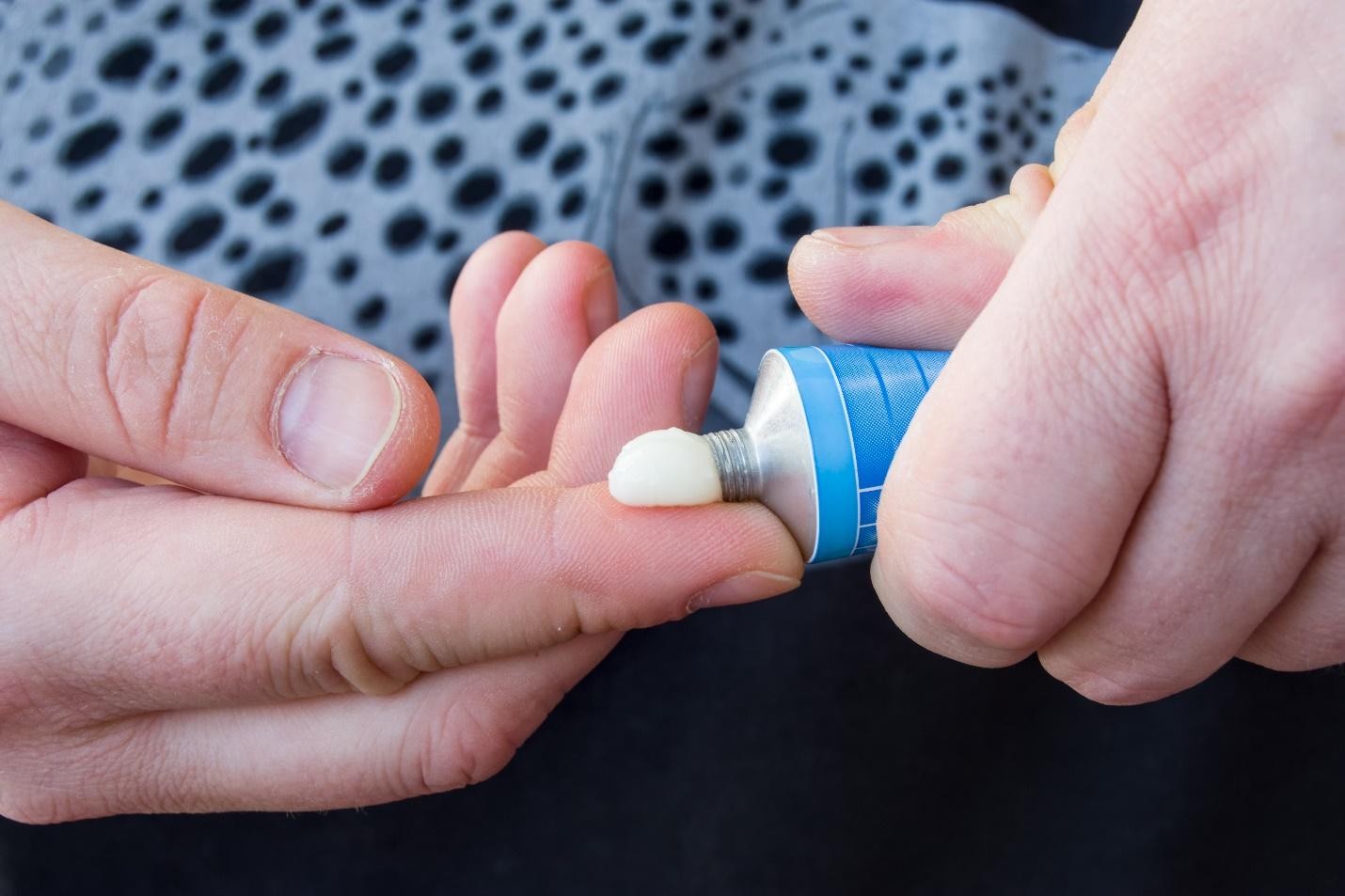
Treatment depends on whether the foreskin is developing normally or whether there is evidence of pathological phimosis.
Observation and normal hygiene
A healthy, non-retractable foreskin without significant symptoms usually requires no active treatment. Parents can continue gentle external hygiene and allow the foreskin to become naturally retractable over time. There is no benefit in repeatedly trying to retract it.
Medical treatment
when a child has symptomatic or pathological phimosis, a urologist may recommend a topical corticosteroid to help improve the flexibility of the foreskin. This may be combined with gentle retraction as advised by the treating urologist, as forceful stretching should be avoided. The specific medication, duration and technique should be determined by the treating urologist.
Surgery
Surgery is not routinely required simply because a young child's foreskin does not retract. In selected cases, circumcision or another surgical approach may be considered when there is significant scarring, persistent pathological phimosis, recurrent complications or inadequate response to appropriate medical treatment.
The decision should be based on the condition of the foreskin and the child's symptoms rather than age or retractability alone.
When Should a Child With a Tight Foreskin See a Doctor?
Most parents do not need to seek medical attention simply because their young child's foreskin cannot yet be pulled back. An assessment becomes appropriate when non-retractability is accompanied by symptoms, functional problems or signs of scarring.
Parents should consider arranging an assessment if their child has:
- Pain during urination or when the foreskin moves
- Recurrent inflammation or infection affecting the foreskin or glans
- Difficulty passing urine or a persistently weak urinary stream
- Bleeding, cracking or tearing of the foreskin
- Significant or recurrent swelling with fever or the child appearing unwell
- Progressive tightening after the foreskin had previously become more mobile
- Visible scarring or a whitish, tight ring around the foreskin opening
The important point is that retractability alone does not determine whether treatment is necessary. Symptoms, the appearance of the foreskin and whether there is evidence of scarring or another underlying condition are more relevant.
If the child cannot pass urine, urgent medical attention is required. Likewise, if the foreskin has been pulled behind the glans and becomes trapped there, this may be paraphimosis, which can cause swelling and compromise blood flow to the glans.
Why Should Parents See a Urologist for a Child's Tight Foreskin?
A young child's foreskin can look tight without there being anything medically wrong. Conversely, persistent inflammation, scarring or urinary difficulty can sometimes be overlooked if the problem is assumed to be part of normal development.
Dr Joe Lee is a Senior Consultant Urologist with experience in urological and penile conditions. His assessment can help determine whether a child's foreskin is developing normally or whether there is evidence of pathological phimosis requiring further management.
If you are unsure whether your child's foreskin is developing normally, a specialist assessment can provide reassurance and determine whether any treatment is necessary.
Book an appointment with Dr Joe Lee to have your child's foreskin assessed and understand the appropriate next steps.
Frequently Asked Questions
There is no need to squeeze or remove it, and parents should not forcibly retract the foreskin to clean underneath. As the foreskin becomes naturally retractable, normal washing can gradually include the area underneath.