

Definition | Low testosterone, medically referred to as testosterone deficiency or male hypogonadism, occurs when testosterone production is insufficient and is accompanied by compatible signs or symptoms. |
Causes | Causes may originate from the testicles, the hypothalamus or pituitary gland or from potentially reversible factors such as obesity, chronic illness, certain medications and other health conditions. |
Symptoms | Symptoms can include reduced sexual desire, erectile difficulties, fatigue, reduced muscle mass or strength, mood changes, reduced body hair, infertility and, in some cases, reduced bone density. |
Diagnosis | Diagnosis requires compatible symptoms or signs together with consistently low testosterone confirmed through properly timed blood tests. Further testing may be needed to identify the underlying cause. |
Treatment | Treatment depends on the cause and may include addressing reversible factors, managing an underlying condition or testosterone replacement therapy when genuine testosterone deficiency has been established. |
Testosterone is often discussed as though it is simply a measure of how energetic, masculine or sexually active a man feels.
In reality, its role is much broader.
The hormone contributes to sexual development and function, sperm production, muscle and bone health, red blood cell production and other processes throughout the body. When testosterone production is genuinely too low, the effects can extend well beyond the bedroom.
At the same time, feeling tired, gaining weight or losing interest in sex does not automatically mean testosterone is low. Many of these symptoms have several possible explanations, which is why proper assessment matters.
You may also hear the term “andropause” used to describe declining testosterone with age. Unlike menopause, however, testosterone does not switch off at a defined point in a man's life. Testosterone levels can change gradually and not every older man with a lower testosterone level has hypogonadism requiring treatment.
The more useful question is not simply whether testosterone has fallen with age, but whether a man has symptoms and consistently low testosterone that indicate a genuine deficiency. Current endocrine guidance continues to emphasise this distinction.
What Is Low Testosterone?
Low testosterone is commonly used to describe a deficiency of testosterone in the body. The medical term is male hypogonadism.
Testosterone is produced mainly by the testicles under the direction of the hypothalamus and pituitary gland. The brain signals the testicles to produce testosterone and the resulting hormone helps regulate a range of functions throughout the body.
When this system is disrupted, testosterone production can fall.
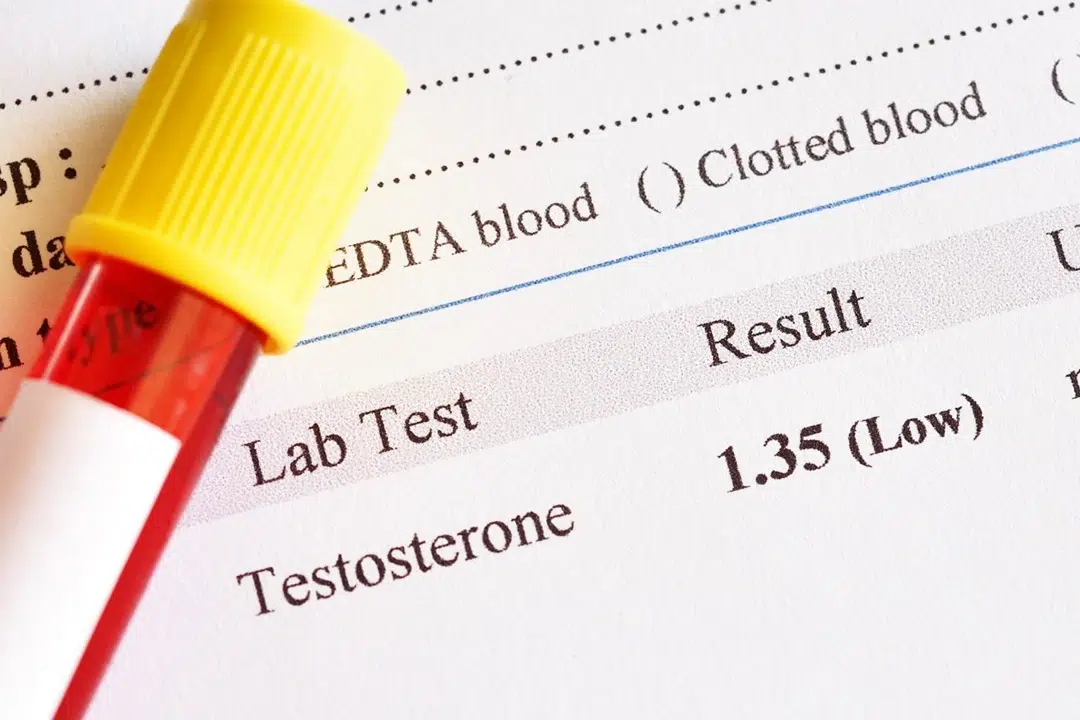
Importantly, a low number on a blood test is not enough by itself to diagnose hypogonadism. Testosterone varies throughout the day and can also be temporarily affected by illness, sleep, nutrition, medications and other factors. A diagnosis should take both the laboratory result and the man's symptoms into account.
Is Andropause the Same as Low Testosterone?
“Andropause” is a popular term sometimes used to describe age-related changes in testosterone and male sexual or physical function. However, it can give the impression that all men experience a predictable hormonal transition similar to menopause.
That is not how male testosterone deficiency works.
Some men develop genuine hypogonadism as they get older, while others experience changes in energy, sexual function or body composition for completely different reasons. The diagnostic approach should be based on symptoms and consistently low testosterone rather than age alone. For this reason, testosterone deficiency or male hypogonadism is generally more useful terminology in a medical setting.
Low Testosterone vs Low Libido: What Is the Difference?
The two are related, but they are not interchangeable:
FACTOR | LOW TESTOSTERONE | LOW LIBIDO |
What does it mean? | A hormonal deficiency involving insufficient testosterone production | A reduction in sexual desire or interest |
What is it? | A medical condition that requires clinical assessment and appropriate blood testing | A symptom or sexual health concern |
Possible causes | Testicular or pituitary disorders, certain medical conditions, medications and some potentially reversible factors | Stress, relationship difficulties, medications, depression, erectile dysfunction, hormonal changes and other physical or psychological factors |
How is it assessed? | Symptoms or signs are considered alongside consistently low testosterone levels on appropriately timed blood tests | Assessment focuses on changes in sexual desire, overall health, medications, sexual function and other contributing factors |
Can they occur separately? | Yes. A man can have low testosterone without low libido being his main concern | Yes. A man can have low libido even when testosterone levels are normal |
Why does the distinction matter? | Testosterone treatment is only appropriate when genuine testosterone deficiency has been established and treatment is clinically indicated | Treating the underlying cause of reduced sexual desire may be more appropriate than testosterone treatment |
Does it always need testosterone treatment? | No. Treatment depends on cause, symptoms and clinical circumstances | No. Testosterone is only relevant when deficiency is actually present |
What Does Testosterone Do in Men?
Testosterone has effects throughout the body, which is why deficiency can present in several different ways:
- Sexual function – contributes to sexual desire and normal sexual function. However, libido is influenced by many other factors, so low sexual desire alone does not establish testosterone deficiency.
- Reproductive function – testosterone is important for normal male reproductive function and is closely linked to sperm production.
- Muscle and physical function – support muscle mass and strength. Significant deficiency may contribute to loss of muscle and changes in physical performance.
- Bone health – contributes to maintaining bone density. Prolonged deficiency can affect skeletal health.
- Red blood cell production – influences erythropoiesis, meaning that significant deficiency can be associated with anaemia.
- Body composition – low testosterone may be associated with increased fat mass and changes in lean body mass.
- Mood and cognitive wellbeing – some men with testosterone deficiency experience changes in mood, motivation or concentration, although these symptoms are not specific to low testosterone.
What Causes Low Testosterone?
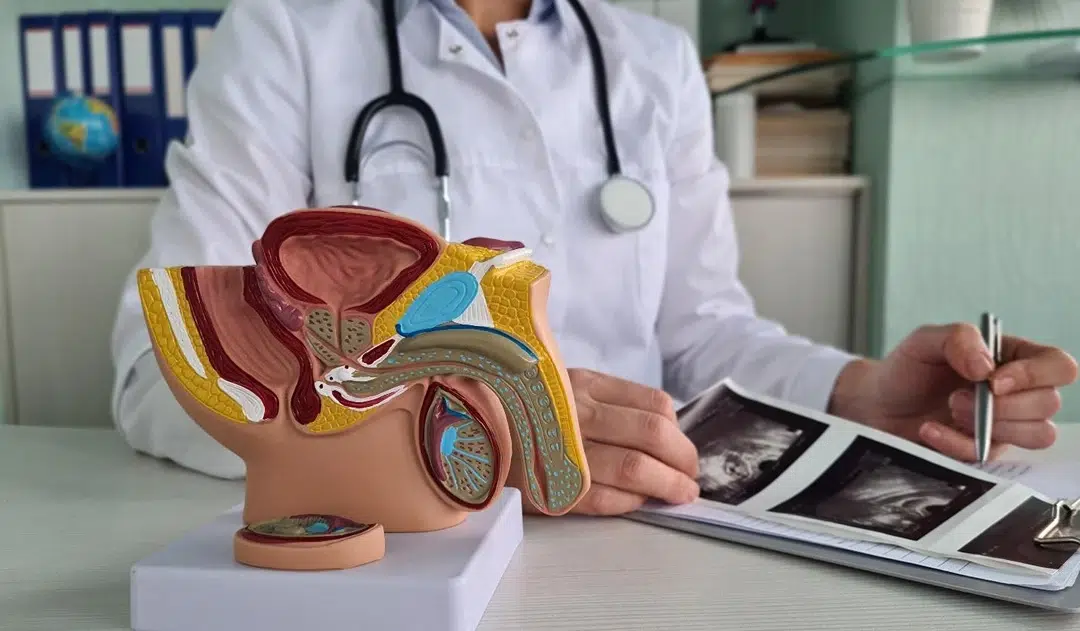
Testosterone deficiency can develop because the testicles are unable to produce enough testosterone, because the hormonal signals from the brain are disrupted or because other health factors interfere with normal testosterone production.
Primary hypogonadism
- Testicular causes – the problem originates in the testicles themselves, which are unable to produce adequate testosterone despite receiving hormonal signals from the brain.
Secondary hypogonadism
- Pituitary or hypothalamic causes – the testicles may be capable of producing testosterone, but the signals that normally stimulate them are insufficient.
Potentially reversible or contributing factors
- Obesity and metabolic health – excess body weight and metabolic disease are associated with lower testosterone levels in some men. Addressing these factors may improve testosterone production without necessarily requiring lifelong testosterone replacement.
- Chronic illness – conditions affecting overall health can interfere with the body's hormonal systems and contribute to reduced testosterone.
- Medications – some medicines, including certain opioid pain medications and corticosteroids, can affect testosterone production.
- Sleep disorders – poor sleep and sleep related conditions may be associated with hormonal changes and can contribute to symptoms that overlap with testosterone deficiency.
- Excessive physical or nutritional stress – significant illness, undernutrition or other physiological stressors can temporarily affect testosterone levels.
What Are the Signs of Low Testosterone?
The symptoms of testosterone deficiency can develop gradually, which means they are not always immediately recognised as a hormonal problem:
- Reduced sexual desire – a noticeable reduction in sexual interest can occur, although low libido has many possible causes.
- Erectile difficulties – some men with testosterone deficiency experience difficulty achieving or maintaining erections, although erectile dysfunction is not specific to low testosterone.
- Reduced morning or spontaneous erections – a change in spontaneous erections may provide useful information when considered alongside other symptoms.
- Testicular changes – testosterone deficiency can be associated with smaller testicular size in some cases.
- Infertility – disturbances in testosterone production can occur alongside impaired sperm production, particularly when the underlying problem involves the testicles or pituitary system.
- Reduced bone density – longstanding testosterone deficiency can affect bone health.
- Loss of muscle mass or strength – significant testosterone deficiency can affect lean body mass and physical strength.
- Increase in body fat – changes in body composition may occur alongside hormonal deficiency.
- Reduced body hair – more significant or longstanding androgen deficiency can affect facial and body hair.
- Persistent fatigue – some men report reduced energy or physical stamina, although fatigue is a particularly non-specific symptom.
- Mood changes – some men experience reduced motivation, irritability or low mood.
How Is Low Testosterone Diagnosed in Singapore?
A testosterone test is useful, but one low result does not automatically mean you have low testosterone.
Testosterone follows a daily rhythm and levels can fluctuate. Illness and other temporary factors can also affect the result. This is why diagnosis requires more than simply checking a number:
- Symptoms and signs – the assessment begins by understanding whether there are symptoms consistent with testosterone deficiency and how they developed.
- Morning testosterone testing – total testosterone is generally measured early in the morning under appropriate conditions. A low result should usually be confirmed on a separate morning sample. The Endocrine Society recommends repeat morning fasting testing, while the AUA recommends two early-morning measurements on separate occasions.
- Two separate measurements – the AUA recommends two early morning total testosterone measurements taken on separate occasions before making a diagnosis of testosterone deficiency.
- Free testosterone – in selected men, particularly when total testosterone is close to the lower end of the reference range or when factors affecting testosterone binding are present, free testosterone may provide additional information.
- Luteinizing hormone (LH) and Follicle-stimulating hormone (FSH) – LH helps distinguish whether low testosterone is more likely to originate from the testicles or from hypothalamic/pituitary signalling. FSH can provide additional information about testicular and sperm-producing function, particularly when fertility is relevant.
- Prolactin and other hormone tests – additional hormonal testing may be appropriate when the history or initial results suggest a pituitary or endocrine cause.
- Further investigations – depending on the findings, additional assessment may be needed to investigate the testicles, pituitary gland, metabolic health or another underlying condition.
What Is a Normal Testosterone Level?
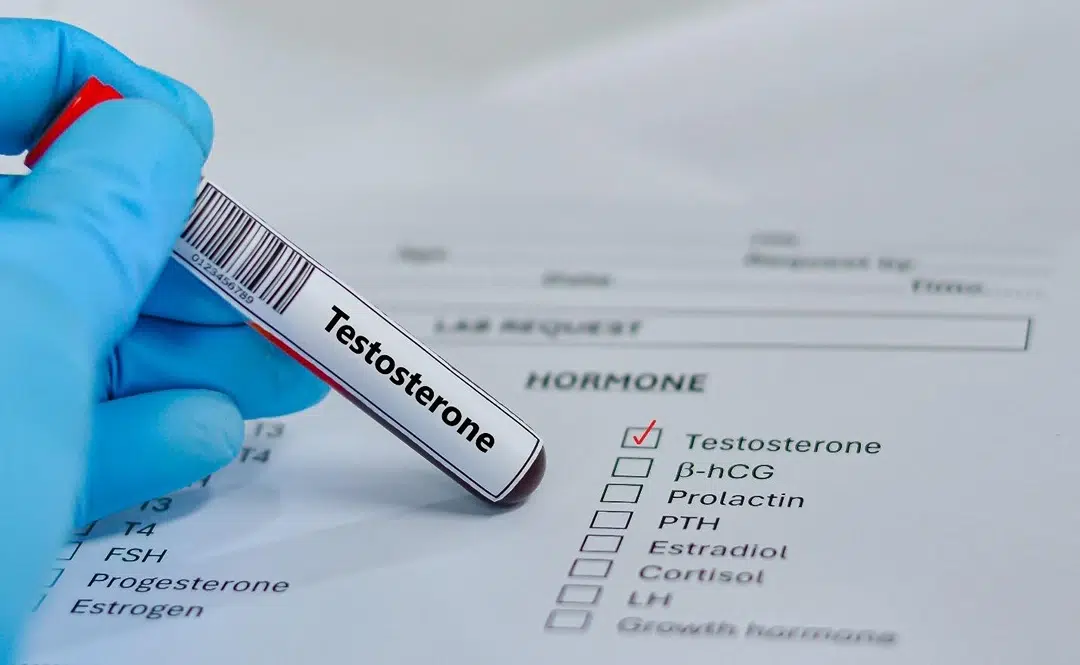
There is no single testosterone number that can be applied to every man in every situation.
Laboratories use different assays and reference ranges and testosterone levels vary according to the time of day and clinical circumstances. For this reason, a result should be interpreted alongside symptoms, the testing method and the laboratory's reference range.
The AUA uses total testosterone below 300 ng/dL as a reasonable threshold supporting the diagnosis when compatible symptoms or signs are also present. Other guidelines and laboratories may use somewhat different reference limits, so the result should be interpreted in its clinical and laboratory context.
This is one reason ordering a testosterone test without proper clinical context can sometimes create more confusion than clarity.
Can Low Testosterone Be Treated?
Treatment is possible, but it depends on why testosterone is low and whether the man actually has testosterone deficiency. This can include:
- Addressing reversible factors – where obesity, poor metabolic health, sleep problems, medications or another potentially reversible factor is contributing, treating that problem may improve testosterone levels and overall health.
- Managing the underlying condition – pituitary, testicular, endocrine or other medical conditions may require specific treatment.
- Testosterone replacement therapy – men with confirmed hypogonadism and compatible symptoms may be considered for testosterone replacement therapy. The aim is to restore testosterone to an appropriate physiological range and improve symptoms and health consequences associated with deficiency.
- Choosing the appropriate formulation – testosterone can be prescribed in different forms, including injections and transdermal preparations. The choice depends on the individual's medical circumstances, preferences, treatment goals and monitoring requirements.
- Monitoring treatment – testosterone therapy is not simply a matter of starting medication and forgetting about it. Response, testosterone levels, adverse effects, blood counts and prostate-related considerations may need ongoing monitoring.
What Happens If Low Testosterone Is Left Untreated?

The consequences depend on the severity, duration and underlying cause of the deficiency.
Some men primarily notice changes in sexual function, energy or mood. More significant or prolonged deficiency can also affect muscle mass, body composition, bone health and reproductive function.
The underlying condition can matter just as much as the testosterone level itself. For example, a pituitary disorder, testicular disease or chronic medical condition may require attention even if the man's symptoms initially seem relatively mild.
Why See an Andrology-Focused Urologist for Low Testosterone?
Testosterone does not exist in isolation from the rest of male reproductive health. Its production is connected to the testicles, pituitary gland and hypothalamus, while its effects extend into sexual function, fertility, muscle, bone and general wellbeing.
An andrology-focused urologist can therefore assess testosterone deficiency alongside erectile function, fertility, testicular health and other aspects of men's health. Dr Joe Lee is a Senior Consultant Urologist with a subspecialty focus on andrology, men's health and sexual health.
The goal is to establish whether testosterone deficiency is genuinely present, identify the reason for it and determine whether treatment is appropriate for the individual.
For some men, the best first step may be addressing a reversible health factor rather than starting testosterone. For others, confirmed hypogonadism may require longer-term hormone replacement and monitoring.
When Should You See a Urologist About Low Testosterone?
If you have noticed several changes that could point towards testosterone deficiency, particularly when they persist or occur together, it is reasonable to have them assessed.
You should also book an appointment and seek medical advice if you have been told that your testosterone is low based on a single blood test. One abnormal result does not necessarily establish hypogonadism and repeating the test under appropriate conditions may be necessary.
Men who are considering testosterone treatment should also have a proper assessment before starting, particularly if fertility is important or there are concerns involving prostate health, blood counts, sleep apnea or cardiovascular health.
Early assessment can help distinguish genuine testosterone deficiency from symptoms that may have another explanation.
Frequently Asked Questions
Yes, products marketed as testosterone boosters are not a substitute for finding out why your testosterone may be low. If you have symptoms that concern you, it is better to establish whether testosterone deficiency is actually present before starting any hormone-related treatment or supplement.