


Definition | Azoospermia means that no sperm are detected in the semen after appropriate semen testing. It can result from a blockage preventing sperm from reaching the semen or from impaired sperm production in the testes. |
Causes | Causes include reproductive tract obstruction, previous vasectomy, infections, hormonal disorders, testicular problems, genetic conditions and previous chemotherapy or radiotherapy. |
Symptoms | Azoospermia often causes no obvious symptoms. Some men may have signs of an underlying hormonal, testicular or reproductive condition. |
Diagnosis | Diagnosis usually involves repeat semen analysis, medical and reproductive history, physical examination and selected hormonal, genetic or imaging investigations. |
Treatment | Treatment depends on the cause and may include correcting an obstruction, hormonal treatment, surgical sperm retrieval or assisted reproductive techniques such as IVF with ICSI. |
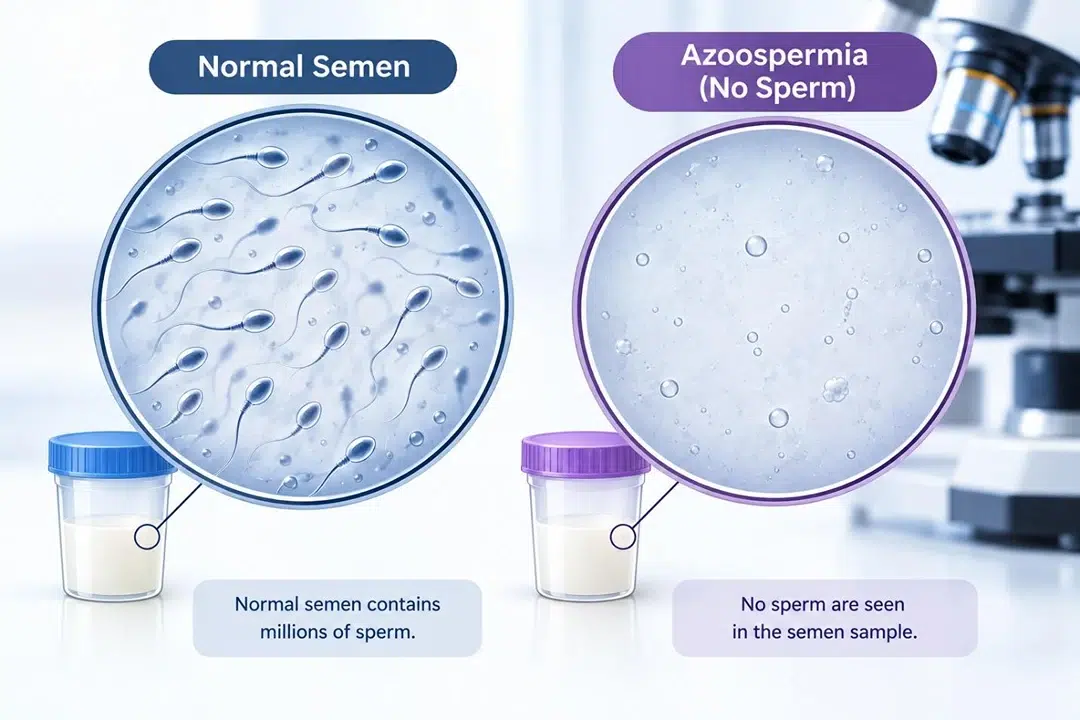
Azoospermia is the medical term used when no sperm are detected in the ejaculate after appropriate laboratory examination.
It is different from oligozoospermia, where sperm are present but the sperm concentration is below the laboratory reference range.
Azoospermia can occur because:
- Sperm are not being produced adequately
- Sperm are produced but cannot travel through the reproductive tract
- Hormonal signals required for sperm production are disrupted
- Genetic or acquired conditions have affected testicular function
What Are the Two Main Types of Azoospermia?
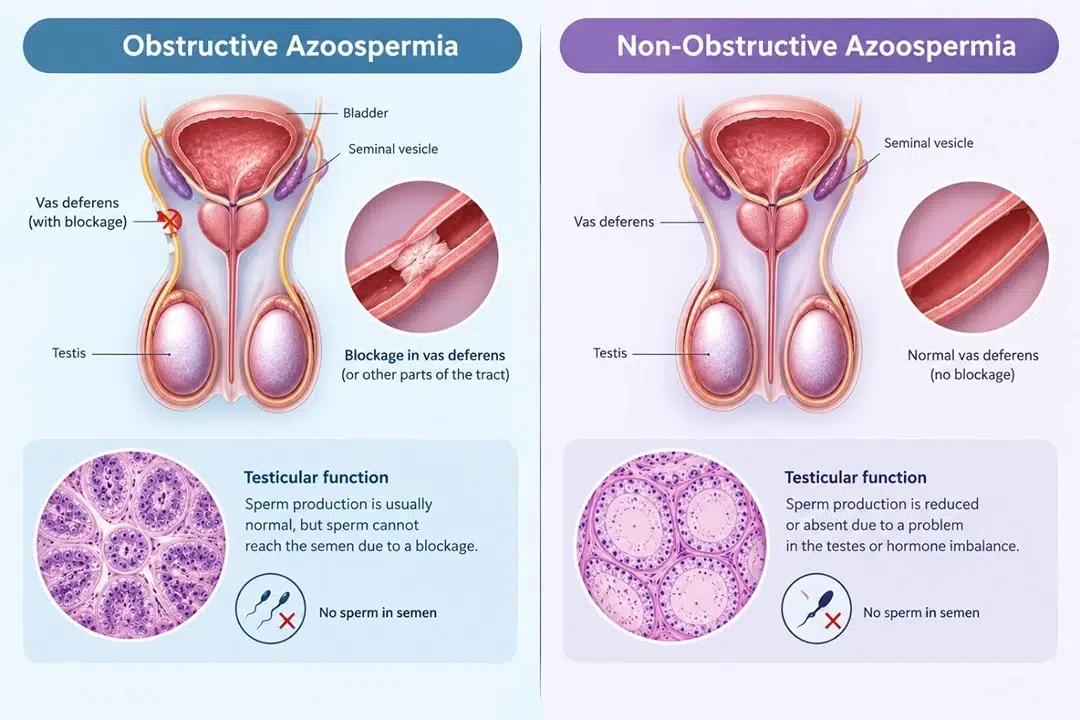
The condition is broadly divided into obstructive azoospermia and non-obstructive azoospermia:
Obstructive azoospermia
In obstructive azoospermia, the testes may still be producing sperm, but sperm cannot reach the ejaculate because of a blockage or interruption in the reproductive tract.
Potential causes include:
- Previous vasectomy
- Congenital absence or abnormalities of the vas deferens
- Previous infection or inflammation
- Scarring following surgery or injury
- Blockage affecting the epididymis or ejaculatory ducts
This distinction can be particularly important for fertility planning because sperm may sometimes be retrieved directly from the reproductive tract or testes.
Non-obstructive azoospermia
Non-obstructive azoospermia occurs when sperm production is severely impaired.
Possible causes include:
- Testicular disorders
- Genetic abnormalities
- Hormonal conditions
- Previous chemotherapy or radiotherapy
- Severe testicular injury
- Certain infections or inflammatory conditions
- Other causes of impaired sperm production
Importantly, sperm production may not be completely absent throughout the testes. In some men with non-obstructive azoospermia, small areas of sperm production may remain and sperm retrieval may therefore still be possible.
What Is the Difference Between Obstructive and Non-Obstructive Azoospermia?
The distinction can influence the investigations recommended, the treatment options available and whether sperm retrieval may be possible. The table below outlines some of the key differences between these two types of azoospermia:
FACTOR | OBSTRUCTIVE AZOOSPERMIA | NON-OBSTRUCTIVE AZOOSPERMIA |
Main problem | Sperm are produced but cannot reach the semen | Sperm production is severely impaired |
Testicular sperm production | Often preserved | May be significantly reduced |
Possible causes | Vasectomy, blockage, congenital absence of vas deferens, scarring | Testicular disorders, genetic conditions, hormonal problems, cancer treatment |
Hormone results | May be relatively preserved | May show evidence of impaired testicular function |
Fertility options | Reversal or sperm retrieval may be considered | Sperm retrieval may be possible in selected men |
Treatment approach | Address obstruction or retrieve sperm | Treat underlying cause where possible and assess sperm retrieval options |
What Causes Azoospermia?
The condition can arise from problems affecting sperm production, hormone regulation or the reproductive tract, such as:
- Previous vasectomy – a vasectomy prevents sperm from entering the semen by interrupting the vas deferens. Men who later wish to have children may sometimes consider vasectomy reversal or sperm retrieval with assisted reproduction, depending on their circumstances.
- Hormonal disorders – sperm production depends on signals from the hypothalamus and pituitary gland as well as normal testicular function. Conditions affecting these hormonal pathways can significantly reduce or stop sperm production. Some hormonal causes may be treatable without directly retrieving sperm from the testes.
- Testicular conditions – because sperm are produced in the testes, conditions affecting testicular tissue can lead to severely impaired sperm production. These may include:
- Undescended testes
- Previous testicular injury
- Testicular torsion
- Severe infection
- Testicular surgery
- Certain medical conditions
- Genetic conditions – some genetic abnormalities can interfere with sperm production or development of the reproductive tract. Genetic testing may therefore be considered in men with azoospermia, particularly when the clinical history and hormone results suggest a significant impairment of sperm production.
- Chemotherapy and radiotherapy – cancer treatment can affect the cells responsible for sperm production. The extent and duration of the effect can vary depending on the treatment received and the individual's underlying testicular function.
- Reproductive tract obstruction – blockages affecting the epididymis, vas deferens or ejaculatory ducts can prevent sperm from reaching the semen despite ongoing sperm production.
What Are the Signs and Symptoms of Azoospermia?
When symptoms are present, they are more likely to reflect an underlying condition affecting sperm production or the reproductive tract. These may include:
- Difficulty conceiving – not achieving pregnancy despite regular unprotected intercourse may be the first indication of a sperm related problem.
- Testicular changes – unusually small testicles, swelling, discomfort or differences in testicular size may provide clues about testicular function.
- Sexual or ejaculatory changes – erectile difficulties, reduced ejaculation or other changes in sexual function may occur alongside certain hormonal or reproductive conditions.
- Signs of hormonal imbalance – reduced sexual desire, reduced body hair, loss of muscle mass or other hormonal symptoms may occur when the signals regulating sperm production are affected.
Because azoospermia can occur without obvious symptoms, normal sexual function does not necessarily indicate normal sperm production. A semen analysis is needed to determine whether sperm are present in the ejaculate and further assessment can help establish why they may be absent.
Who Is at Risk of Azoospermia?
Having one of these factors does not necessarily mean a man will develop azoospermia, but it may warrant closer assessment if fertility is a concern:
- Previous testicular problems – including undescended testes, significant injury, torsion or surgery
- Previous cancer treatment – chemotherapy and radiotherapy may affect sperm production
- Vasectomy or reproductive tract surgery – procedures affecting the sperm pathway can result in obstructive azoospermia
- Genetic or congenital conditions – including Klinefelter syndrome, Y chromosome microdeletions and congenital absence of the vas deferens
- Hormonal disorders – conditions affecting the hypothalamus or pituitary gland can disrupt sperm production
- Testosterone or anabolic steroid use – these can suppress the hormonal signals required for sperm production.
How Is Azoospermia Diagnosed in Singapore?
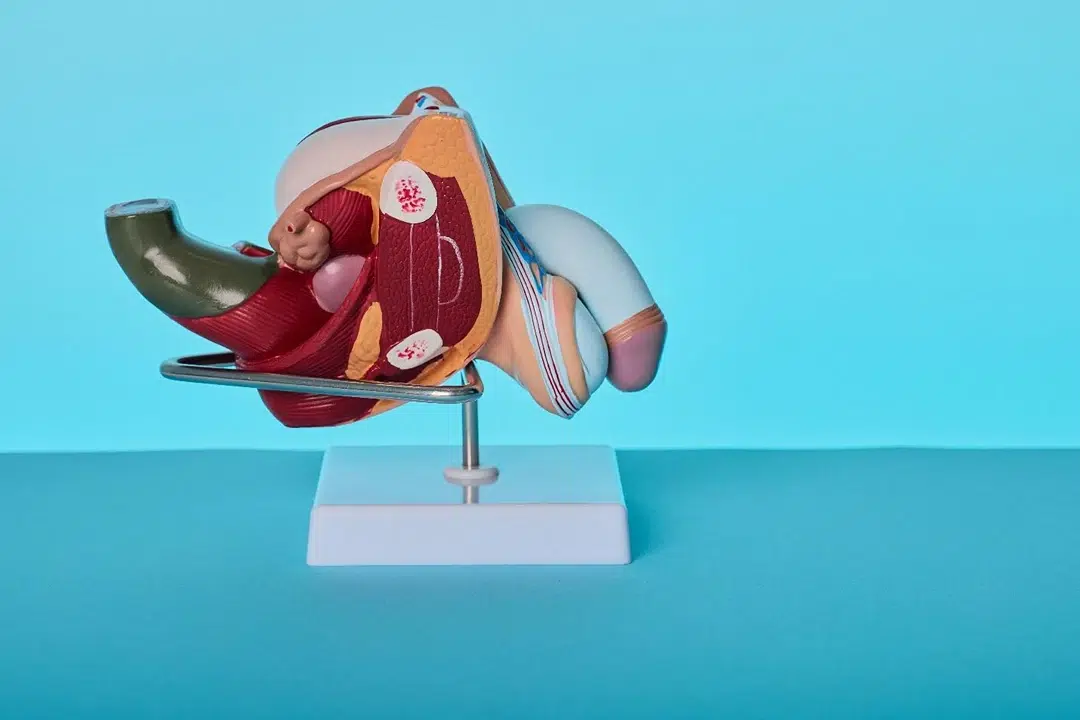
A fertility assessment looks at the semen results together with the man's medical history, physical findings and reproductive hormones. The aim is not only to confirm that sperm are absent, but also to understand whether the underlying issue involves sperm production, hormone regulation or the reproductive tract.
- Repeat semen analysis – a repeat semen analysis may be recommended to confirm that sperm are consistently absent. Laboratory processing may also include examination of the concentrated semen sample after centrifugation, which can help identify very small numbers of sperm that may not be detected in the initial examination.
- Medical and reproductive history – previous fertility, childhood testicular problems, undescended testes, testicular injury or surgery, vasectomy, infections, cancer treatment, medications, testosterone use and sexual or ejaculation difficulties can provide important clues about the underlying cause. Family history may also be relevant when a genetic cause is suspected.
- Physical examination – examination of the testes, epididymis and spermatic cords can assess testicular size and consistency, whether the vas deferens are present and whether findings such as a varicocele or other structural abnormalities are present. These findings may help distinguish between problems affecting sperm production and those affecting sperm transport.
- Hormonal testing – blood tests commonly include testosterone, follicle-stimulating hormone (FSH) and luteinising hormone (LH). The overall hormone pattern can provide information about testicular function and whether disruption of the hormonal signals responsible for sperm production may be contributing to the findings.
- Genetic testing – genetic investigations may be recommended when the clinical findings suggest a significant impairment of sperm production or a congenital reproductive condition. Depending on the situation, testing may assess chromosomal abnormalities or specific genetic changes associated with severe male infertility.
- Imaging and further investigations – additional imaging or specialised investigations are not required for every man. They may be considered when the examination, semen findings, hormone results or medical history point towards a structural abnormality or obstruction within the reproductive tract.
Determining Whether Sperm Can Be Retrieved
Finding no sperm in the semen does not necessarily mean that sperm are absent from the entire reproductive system. Once the initial assessment has established the likely cause, the next question is whether viable sperm may still be available for fertility treatment.
- Obstructive causes – when sperm production is preserved but a blockage prevents sperm from reaching the semen, sperm may often be collected from the epididymis or testes. In some cases, correcting the obstruction may also be considered.
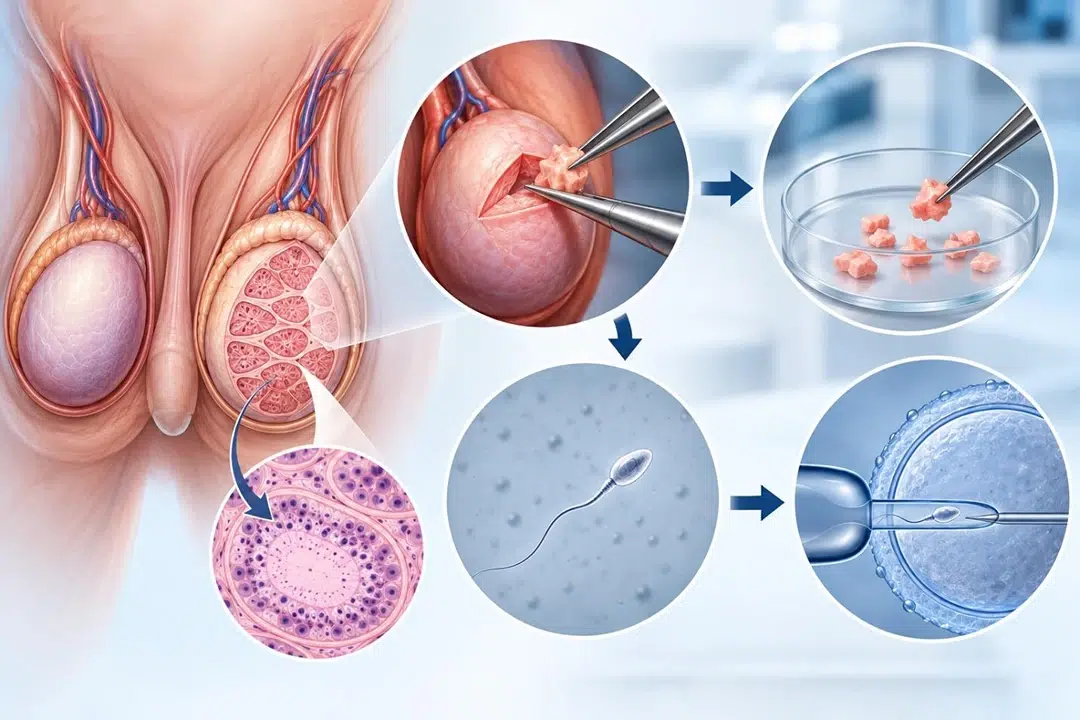
- Impaired sperm production – when sperm production is severely reduced, retrieval can be more challenging. However, sperm production may occur in small areas of the testes even when none are found in the semen. Selected men may therefore be considered for specialised testicular sperm retrieval.
- Microdissection testicular sperm extraction (micro TESE) – this technique uses an operating microscope to examine testicular tissue and identify areas more likely to contain sperm producing tubules. It may be considered in selected men with severely impaired sperm production, particularly when other investigations suggest that sperm retrieval may still be possible.
- Fertility planning – whether sperm retrieval is appropriate depends on the underlying cause, hormone profile, testicular function, previous treatment and the couple's reproductive goals. The findings can then be used to determine whether surgical retrieval, reconstruction or assisted reproduction should form part of the treatment plan.
What Treatment Options Are Available in Singapore?
Treatment is guided by the underlying cause and the couple's fertility goals. Some men may benefit from treating a reversible medical or hormonal problem, while others may require surgery or assisted reproductive treatment.
- Treating a hormonal disorder – certain conditions affecting the hypothalamus or pituitary gland can interfere with the hormonal signals required for sperm production. When appropriate, treatment may aim to restore these reproductive signals and stimulate the testes to produce sperm.
- Reviewing testosterone treatment – testosterone replacement is different from treatment designed to restore fertility. External testosterone can suppress the hormonal signals that stimulate sperm production and may significantly reduce or stop sperm production. Men who wish to preserve or achieve fertility should therefore have their reproductive goals considered before starting testosterone treatment.
- Correcting an obstruction – when sperm production is preserved, but sperm cannot travel through the reproductive tract, treatment may focus on restoring the pathway. Depending on the cause, options may include vasectomy reversal, microsurgical reconstruction or treatment of a selected reproductive tract obstruction.
- Surgical sperm retrieval – when sperm cannot reach the semen or sperm production is severely impaired, sperm may sometimes be collected directly from the epididymis or testes. The retrieval technique is selected according to the underlying cause and the likelihood of finding viable sperm.
- Varicocele treatment - large varicoceles can contribute to azoospermia in severe cases and treatment can be achieved by microsurgery.
- Considering other fertility pathways – if viable sperm cannot be retrieved or treatment cannot restore sperm production, other options may need to be discussed. Depending on the circumstances and the couple's preferences, these may include donor sperm or other pathways to parenthood.
Azoospermia and Fertility Treatment
The next step depends on whether sperm production is preserved, whether an obstruction can be corrected and whether viable sperm can be retrieved. The fertility of both partners and their reproductive goals are also considered when deciding on the most appropriate approach.
- Obstructive azoospermia – treatment may focus on restoring sperm flow through surgical reconstruction or, where appropriate, retrieving sperm for assisted reproduction.
- Non-obstructive azoospermia – the focus is usually on understanding the extent of impaired sperm production and whether viable sperm can be retrieved from the testes.
- Assisted reproduction – when usable sperm are obtained but natural conception is not possible, IVF with ICSI may provide a pathway to pregnancy.
- Alternative options – when the man's own sperm cannot be retrieved or used, donor sperm or other family-building options may be discussed according to the couple's circumstances and preferences.
The appropriate pathway is determined after the cause of azoospermia has been established and the couple's fertility considerations have been assessed.
What Can an Andrology-Focused Urologist Do for Azoospermia?
Azoospermia requires more than simply confirming that sperm are absent from a semen sample. Dr Joe Lee, Senior Consultant Urologist, can assess whether the absence of sperm is more consistent with an obstruction, impaired sperm production or another underlying condition.
The evaluation brings together the semen results, testicular examination, hormone profile, medical history and, where appropriate, genetic or other investigations. This helps establish whether sperm production is present and whether sperm retrieval or treatment of an underlying problem may be possible.
When Should You See a Urologist for Azoospermia?
Understanding why sperm are absent is an important first step in determining which fertility options may be available. A specialist assessment can help identify the underlying cause and determine whether further investigation, sperm retrieval or other treatment may be appropriate.
For men who hope to have children now or in the future, discussing the situation early can provide greater clarity when planning the next steps. Book an appointment with Dr Joe Lee to discuss your azoospermia and fertility concerns.
Frequently Asked Questions
In some cases. Treatment may involve correcting a hormonal disorder, repairing an obstruction or reversing a vasectomy. IVF with ICSI may be considered when retrieved sperm are needed for conception.