


Definition | A low sperm count or impaired sperm quality can reduce the likelihood of natural conception, although pregnancy may still be possible depending on the overall sperm profile and the female partner's fertility. |
Causes | Varicocele, hormonal problems, infections, genetic conditions, testicular disorders, medications, heat exposure, lifestyle factors and previous illness or treatment can affect sperm production. |
Symptoms | Most men with low sperm count have no obvious symptoms. Difficulty conceiving is often the first indication that there may be a sperm related problem. |
Diagnosis | Assessment usually begins with a semen analysis and may include repeat testing, medical and reproductive history, physical examination, hormonal tests and other investigations when indicated. |
Treatment | Treatment depends on the cause and may include correcting an underlying condition, lifestyle changes, medication, surgery or assisted reproductive techniques. |
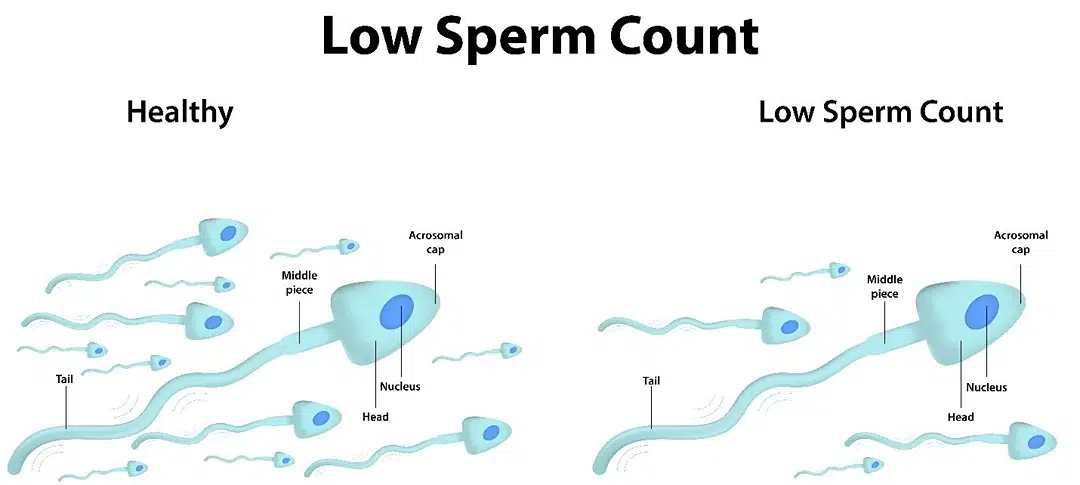
A man's fertility is not determined simply by whether he can have an erection or ejaculate.
Sperm production is a separate process and problems can occur even when sexual function appears completely normal. For some men, the first sign is only discovered when pregnancy does not happen as expected.
A semen analysis can reveal important information about sperm concentration, movement and appearance, but one abnormal result does not necessarily tell the whole story. Sperm production changes over time and results can be influenced by illness, fever, medications and other temporary factors.
What Does Low Sperm Count or Poor Sperm Quality Actually Mean?
Low sperm count, medically known as oligozoospermia, means that the concentration or number of sperm in the semen is below the laboratory reference range.
However, sperm count is only one part of the picture. A semen analysis also looks at factors such as:
- Sperm concentration – the number of sperm present in each millilitre of semen.
- Total sperm number – the overall number of sperm in the entire ejaculate.
- Semen volume – the amount of semen produced during ejaculation, which can provide additional information when interpreted alongside the other findings.
- Motility – how well the sperm move. This is important because sperm need to travel through the female reproductive tract to reach the egg.
- Morphology – the size and shape of sperm. Abnormally shaped sperm may have a reduced ability to fertilise an egg.
A man can have a normal sperm count but reduced motility or abnormal morphology. Equally, a lower sperm count does not automatically mean that natural conception is impossible.
What Is Low Sperm Count or Poor Sperm Quality?
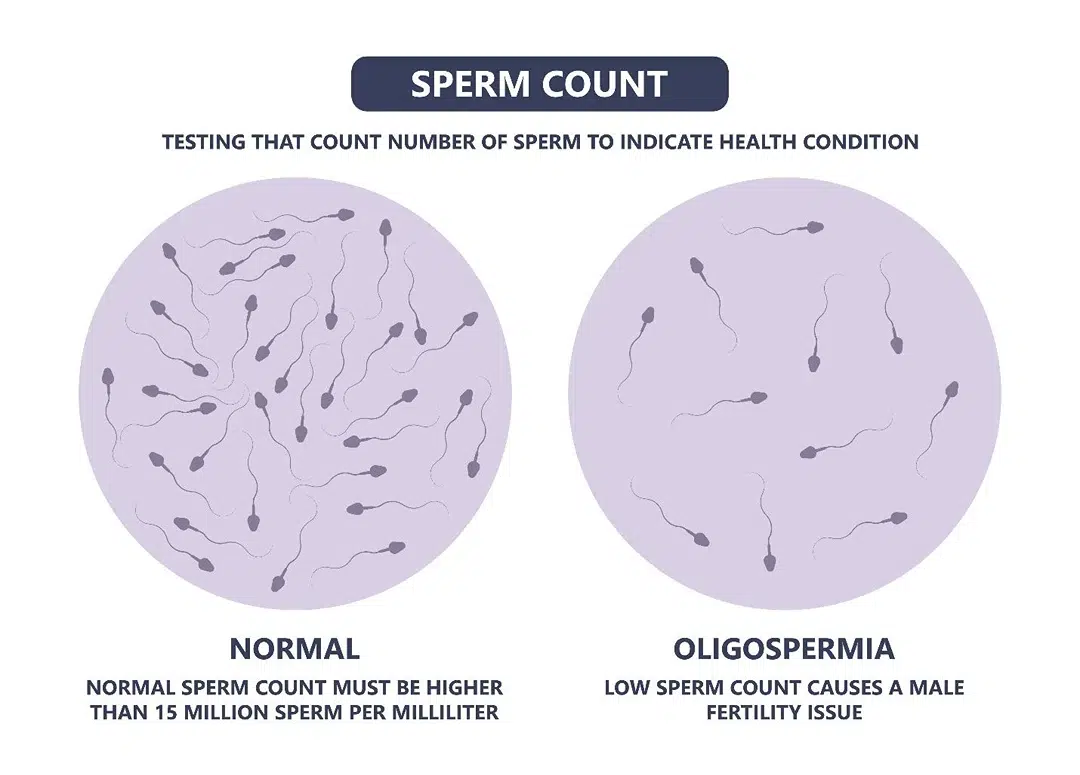
“Sperm quality” is a broad term rather than a single laboratory measurement.
When doctors talk about sperm quality, they may be referring to several characteristics of the sperm, including how many are present, how well they move and whether their structure appears normal.
This is why a semen report should be interpreted as a whole rather than focusing on one number. For example, a man with a lower sperm concentration but good motility may have a different fertility outlook from someone with a similar concentration but very poor motility.
Sperm quality can also be affected by factors that are not immediately visible on a standard semen analysis. In selected cases, further investigations may be considered depending on the clinical situation.
What Causes Low Sperm Count or Poor Sperm Quality?
There is rarely one explanation that applies to every man. Sperm production is a complex process involving the testes, hormones and the reproductive tract and disruption at different points can affect fertility.
- Varicocele – a varicocele is an enlargement of the veins around the testicle. It is one of the more common potentially treatable findings associated with male infertility. Not every varicocele affects fertility, but in some men it may be associated with impaired sperm production.
- Hormonal problems – sperm production depends on a functioning hormonal system involving the hypothalamus, pituitary gland and testes. Problems affecting this system can interfere with sperm production. Low levels of reproductive hormones, pituitary disorders and certain endocrine conditions may therefore contribute to abnormal semen results.
- Testicular problems – the testes are where sperm are produced. Previous testicular injury, infection, surgery, undescended testes, torsion and some genetic or medical conditions can affect their ability to produce sperm.
- Infections and inflammation – certain infections involving the reproductive tract can interfere with sperm production, sperm movement or the passage of sperm through the reproductive system.
- Medications and substances – some medications can affect sperm production. Exogenous testosterone is particularly important because it can suppress the hormonal signals required for sperm production and, in some men, significantly reduce sperm production.
- Heat and environmental exposure – the testes function best at a temperature slightly below core body temperature. Significant or repeated heat exposure may affect sperm production in some men. Occupational exposures, certain environmental toxins and other factors may also be relevant depending on the individual's circumstances.
- Lifestyle and general health – smoking, excessive alcohol consumption, obesity, poor metabolic health and other lifestyle factors may be associated with poorer semen parameters. This does not mean that lifestyle is always the explanation for abnormal sperm results. It is one part of the wider assessment.
- Genetic causes – certain genetic conditions can affect sperm production, particularly when sperm counts are very low or absent. This is one reason very low sperm counts may require more detailed investigation rather than simply being treated as a lifestyle problem.
What Are the Symptoms of Low Sperm Count or Poor Sperm Quality?
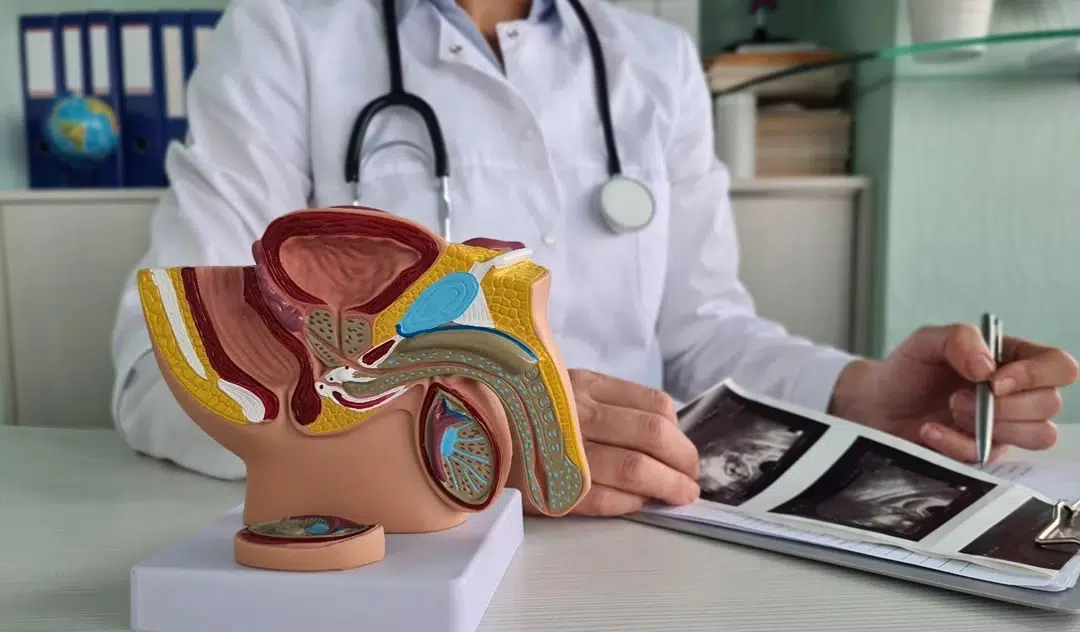
The most common indication is difficulty conceiving, particularly when pregnancy does not occur after regular unprotected intercourse.
Depending on the underlying cause, however, some men may have other signs, such as:
- Testicular changes – smaller testicles, swelling, discomfort or a noticeable difference in size.
- Sexual difficulties – erectile or ejaculation problems may occur when an underlying hormonal or reproductive condition is also present.
- Hormonal symptoms – reduced body hair, reduced muscle mass or low sexual desire may point towards an underlying hormonal problem rather than the sperm abnormality itself.
- Signs of an underlying condition – symptoms such as testicular pain, previous genital infection or swelling may provide clues about what is affecting fertility.
Importantly, the absence of symptoms does not mean sperm production is normal. A semen analysis is needed to assess sperm quantity and quality.
Who Is at Risk of Low Sperm Count or Poor Sperm Quality?
Certain medical, reproductive and lifestyle factors can increase the likelihood of abnormal sperm production:
- Previous testicular problems – undescended testicles, injury, torsion, infection or surgery can affect sperm production.
- Varicocele – enlarged veins around the testicle may be associated with impaired sperm production in some men.
- Hormonal conditions – disorders affecting the testes, hypothalamus or pituitary gland can interfere with sperm production.
- Previous cancer treatment – chemotherapy and radiotherapy can affect the cells responsible for sperm production.
- Previous reproductive tract infections – infections affecting the reproductive system can sometimes interfere with sperm production or transport.
- Certain medications or hormone treatments – testosterone and some other medicines can suppress sperm production.
- Genetic conditions – certain chromosomal or genetic abnormalities can cause severe oligospermia or azoospermia.
- Lifestyle and metabolic factors – smoking, excessive alcohol consumption, obesity and poor metabolic health may be associated with poorer semen parameters.
However, having one of these risk factors does not mean a man will necessarily have fertility problems. It simply provides a reason for closer assessment when there are concerns about conception.
What Complications Can Low Sperm Count or Poor Sperm Quality Cause?

The main concern with a low sperm count or poor sperm quality is reduced fertility. Depending on the severity of the abnormality, it may take longer to achieve a pregnancy or make natural conception more difficult.
Other potential consequences include:
- Difficulty conceiving – abnormal sperm parameters can reduce the likelihood of fertilisation.
- Need for fertility treatment – significant or persistent abnormalities may lead to consideration of treatments such as intrauterine insemination or IVF with or without ICSI.
- Emotional and relationship strain – prolonged difficulties conceiving can be stressful for individuals and couples.
- Underlying health conditions going undetected – a significant sperm abnormality can sometimes be an early indication of a hormonal, testicular, genetic or systemic health problem.
When Should You Have Your Sperm Tested?
If pregnancy has not occurred after a period of regular unprotected intercourse, a fertility assessment may be appropriate.
Testing may also be considered earlier when there are specific concerns, such as:
- Previous testicular surgery or injury
- Undescended testicles
- Previous chemotherapy or radiotherapy
- Varicocele
- Problems with ejaculation
- Certain hormonal or genetic conditions
- Use of testosterone or other medications that may affect fertility
- A history of reproductive tract infection
Concern about fertility before starting treatment that could affect sperm production
How Is Low Sperm Count or Poor Sperm Quality Diagnosed in Singapore?
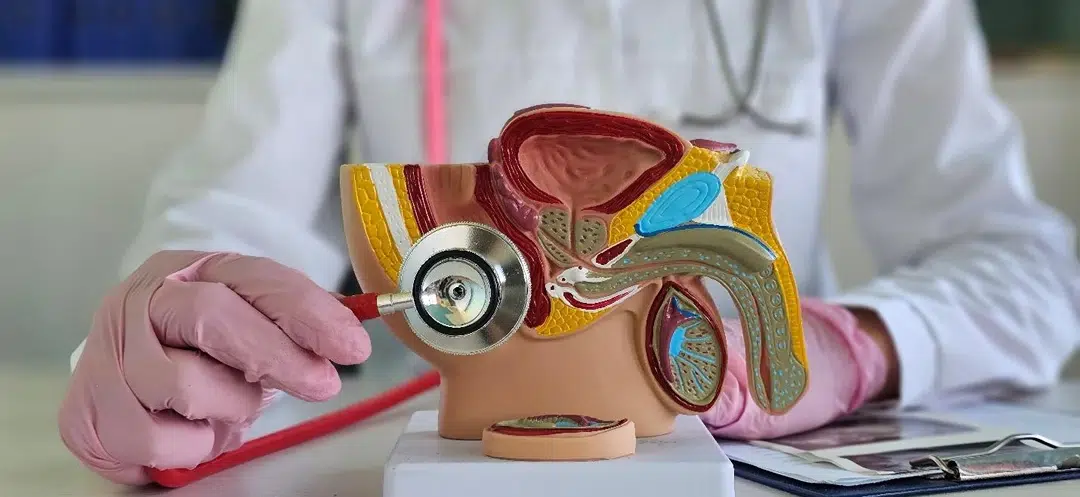
A semen analysis is usually the starting point. However, fertility assessment should not stop at simply obtaining a laboratory report.
- Semen analysis – assesses sperm concentration, total sperm number, motility, morphology and semen volume. An abnormal result may need to be repeated because semen parameters can vary between samples.
- Medical and reproductive history – covers fertility history, previous testicular problems, surgery, infections, medications, lifestyle factors and any difficulties with sexual function or ejaculation.
- Physical examination – examines the testicles, epididymis and spermatic cords for findings such as varicocele, differences in testicular size or other abnormalities.
- Hormonal testing – may be recommended when sperm counts are significantly reduced or a hormonal cause is suspected. Tests can include testosterone, follicle stimulating hormone and luteinizing hormone, with other hormones assessed when appropriate.
- Genetic testing – may be considered in men with very low sperm counts or azoospermia to identify possible genetic causes and guide fertility planning.
- Further investigations – additional tests or imaging may be recommended when the semen analysis, medical history or examination suggests an underlying condition that could affect management.
How is Low Sperm Count or Poor Sperm Quality Treated in Singapore?
Treatment depends on why the sperm results are abnormal, how severe the problem is and whether you are trying to conceive now. In some men, addressing an underlying condition may improve sperm production. In others, fertility treatment may be recommended to improve the chances of pregnancy.
Treating an underlying condition
If a specific problem is affecting sperm production or the passage of sperm, treating that condition may improve fertility.
- Varicocele treatment – a clinically significant varicocele may be treated surgically in selected men when it is associated with infertility and abnormal semen parameters.
- Reversing an obstruction – when sperm cannot pass through part of the reproductive tract, surgery may sometimes restore the pathway.
- Vasectomy reversal – men who have previously undergone vasectomy may be candidates for microsurgical reversal, depending on their circumstances and fertility goals.
- Treating infections – infections of the reproductive tract may require appropriate antimicrobial treatment. However, treating an infection does not necessarily restore fertility if there has already been damage to the reproductive system.
Hormonal treatment
When impaired sperm production is caused by a hormonal disorder, treatment may be used to restore or stimulate the body's own reproductive hormone signals.
This is different from simply giving testosterone. Exogenous testosterone can suppress sperm production, so men with fertility concerns should be assessed carefully before any testosterone treatment is started.
Addressing sexual or ejaculation problems
Fertility can sometimes be affected even when sperm production is normal.
Problems such as erectile dysfunction, difficulty ejaculating or an inability to ejaculate into the vagina may interfere with conception. Treating the underlying sexual condition may therefore form part of fertility care.
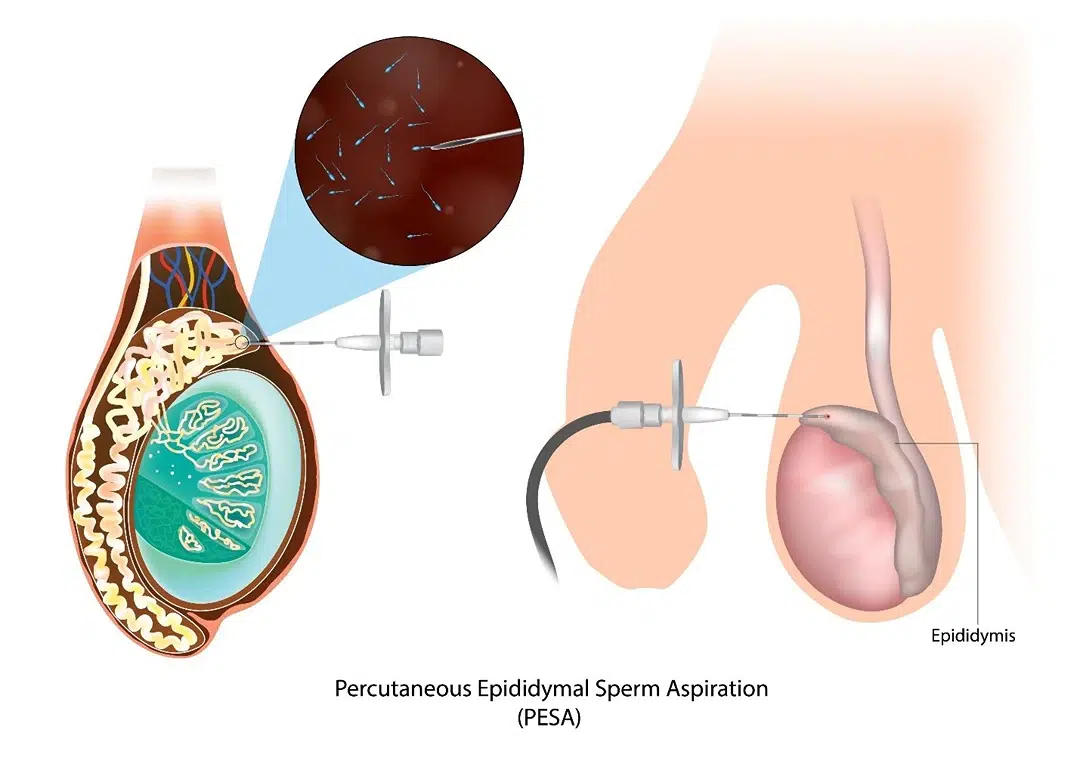
Surgical sperm retrieval
For some men with very low or absent sperm in the semen, sperm may still be present within the testes or epididymis.
In selected cases, sperm can be retrieved surgically and used for assisted reproduction. The appropriate technique depends on the underlying cause and whether sperm production is present.
Assisted reproductive treatment
When natural conception remains difficult, assisted reproductive techniques may provide another route to pregnancy.
Depending on the couple's circumstances, treatment may include:
- Intrauterine insemination (IUI) – prepared sperm are placed directly into the uterus around the time of ovulation.
- In vitro fertilisation (IVF) – eggs and sperm are combined in a laboratory before an embryo is transferred to the uterus.
- Intracytoplasmic sperm injection (ICSI) – a single sperm is injected directly into an egg, which can be particularly useful when sperm numbers or movement are significantly impaired or when surgically retrieved sperm are being used.
The choice between these approaches depends on the severity and cause of the male fertility problem, the female partner's fertility and the couple's reproductive goals.
When treatment does not restore fertility
Not every cause of male infertility can be corrected and treatment does not always result in usable sperm or natural conception.
When a man's own sperm cannot be used, couples may discuss other pathways to parenthood, including donor sperm or adoption, depending on their circumstances and preferences.
The important first step is understanding whether the problem is treatable, whether sperm can be retrieved and which fertility options remain available.
What Can an Andrology-Focused Urologist Do for Male Fertility?
Male fertility can involve much more than the semen analysis itself.
When sperm results are abnormal, Dr Joe Lee, Senior Consultant Urologist, takes a broader view of male reproductive health to understand what may be affecting sperm production, sperm function or the passage of sperm through the reproductive tract.
With an andrology-focused approach, the assessment can bring together the condition of the testicles, hormonal signals, sexual and ejaculatory function, previous medical history and semen results. This can be particularly important when sperm counts are repeatedly abnormal, very low or unexplained.
In some men, the investigation may identify a potentially treatable problem such as a varicocele, hormonal disorder or reproductive tract obstruction. For others, the focus may be on understanding the fertility options available and whether further treatment, including assisted reproduction, should be considered.
When Should You See A Urologist About Your Sperm Quality?
If you have been trying to conceive without success, have received an abnormal semen analysis or have a known condition that may affect sperm production, a specialist assessment can help clarify what the results mean.
You may also wish to seek an assessment if you have very low or absent sperm, a known varicocele, previous testicular surgery or injury or are taking testosterone while hoping to preserve your fertility.
Book an appointment to discuss your fertility concerns and understand whether further investigation or treatment may be appropriate.
Frequently Asked Questions
Sometimes. Improvement depends on the underlying cause. Treating conditions such as varicocele or hormonal problems, addressing certain medications and making appropriate lifestyle changes may improve sperm parameters in some men.