


| What it means | Not conceiving after 12 months of regular unprotected intercourse. Male factor is involved in roughly half of cases. |
|---|---|
| First test | A semen analysis — simple, non-invasive, and the single most informative starting point. |
| Common causes | Varicocele, hormonal imbalance, blockage, genetic factors, prior surgery or infection, and lifestyle factors. Some cases have no identified cause. |
| Is it treatable? | Often yes. Options range from lifestyle measures and medication to microsurgery and surgical sperm retrieval. |
| Who you'll see | Dr Joe Lee, a urologist with fellowship training in andrology and male reproductive medicine. |
Starting a family does not always happen as quickly or easily as expected. When pregnancy does not occur despite regular, unprotected intercourse, it is easy for couples to wonder whether something is wrong. Fertility, however, is not only a female concern. Male factors contribute to a significant proportion of infertility cases and many of these problems can be investigated and treated.
In Singapore, about 15% of couples do not conceive within 12 months of trying, with male factors contributing to around 40% of infertility cases. Sperm disorders, problems with erection or ejaculation and other reproductive conditions can all affect a man's ability to contribute to conception.
Male infertility does not necessarily mean that conception is impossible. Assessment can help identify whether an underlying condition is affecting sperm production, sperm delivery, hormones, sexual function or reproductive anatomy, so that treatment can be tailored accordingly.
What Is Male Infertility?
Male infertility refers to reproductive factors affecting the male partner that reduce a couple's ability to achieve pregnancy. It may result from problems with sperm production or quality, sperm transport, hormones, sexual or ejaculatory function, genetics or reproductive anatomy.
It may also be described as primary or secondary infertility, depending on a man's previous reproductive history:
- Primary infertility – refers to difficulty achieving a pregnancy when the man has never previously fathered a pregnancy
- Secondary infertility – refers to difficulty conceiving after a previous pregnancy has occurred, even if the man has previously fathered a child
Because infertility may involve male factors, female factors or both, fertility assessment should generally involve both partners.
What Causes Male Infertility?
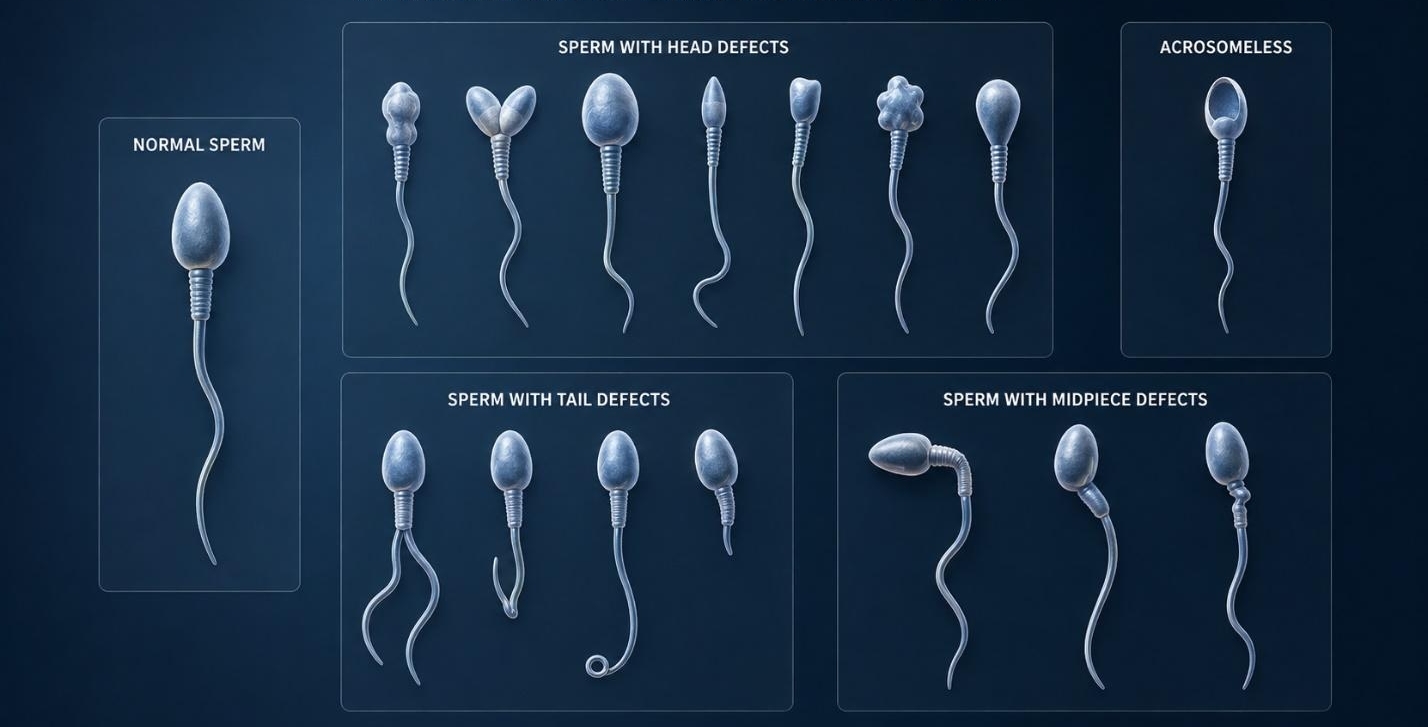
Male infertility can result from impaired sperm production, blockage of sperm transport, hormonal or genetic conditions, sexual or ejaculatory disorders or a combination of these factors, including:
Problems with sperm production
The testes are responsible for producing sperm. When sperm production is impaired, it can affect the number, movement or shape of sperm.
Possible causes include:
Varicocele
Enlarged veins around the testicle may be associated with impaired sperm production in some men.
Testicular conditions or damage
Previous injury, testicular disease or impaired testicular function can reduce sperm production.
Medical treatment
Chemotherapy, radiotherapy and certain medications may temporarily or permanently impair sperm production.
Important: testosterone replacement therapy (TRT) acts as a male contraceptive and can suppress sperm production, sometimes long-term. If you are trying to conceive, tell your doctor before starting TRT.
Sperm production can also be impaired without an identifiable cause. This is sometimes referred to as idiopathic male infertility.
Problems with sperm transport
Sperm may be produced normally but unable to reach the semen because of a blockage or abnormality within the reproductive tract.
This can occur because of:
- Congenital abnormalities – some men are born without part of the vas deferens or with another structural abnormality affecting sperm transport
- Acquired obstruction – infection, inflammation, scarring or previous reproductive surgery, such as vasectomy, may block the epididymis or vas deferens
- Ejaculatory-duct obstruction – blockage further along the reproductive tract may prevent sperm from entering the semen normally
In some men, sperm may therefore be present within the testes but absent from the ejaculate.
Sexual or ejaculation disorders
Successful conception requires sperm to be delivered into the female reproductive tract. Conditions that interfere with sexual intercourse or ejaculation can therefore affect fertility.
These may include:
- Erectile dysfunction (link to erectile dysfunction)– difficulty achieving or maintaining an erection may make intercourse and sperm delivery difficult
- Retrograde ejaculation – semen enters the bladder instead of travelling out through the penis during ejaculation
- Other ejaculation problems – absent or delayed ejaculation can interfere with natural conception
- Difficulty with intercourse – deformities of the penis, painfully tight foreskin, physical and sexual difficultiesmay reduce the likelihood of sperm being delivered effectively
Hormonal disorders
A complex interaction between the brain, pituitary gland and testes controls sperm production.
Disruption to this hormonal system can affect sperm production. Problems involving the pituitary gland, low testosterone (link to low testosterone) production or other endocrine conditions may therefore contribute to infertility.
Importantly, testosterone treatment is not a treatment for male infertility. External testosterone can suppress the hormonal signals needed for sperm production and may reduce or stop sperm production altogether.
Genetic factors
Certain genetic conditions can affect the development or function of the testes and the production or transport of sperm. Genetic testing may be considered when semen analysis shows severe abnormalities, particularly when sperm counts are extremely low or no sperm are found. Identifying a genetic cause can also be important when planning fertility treatment and counselling.
What Are the Possible Signs of Male Infertility?
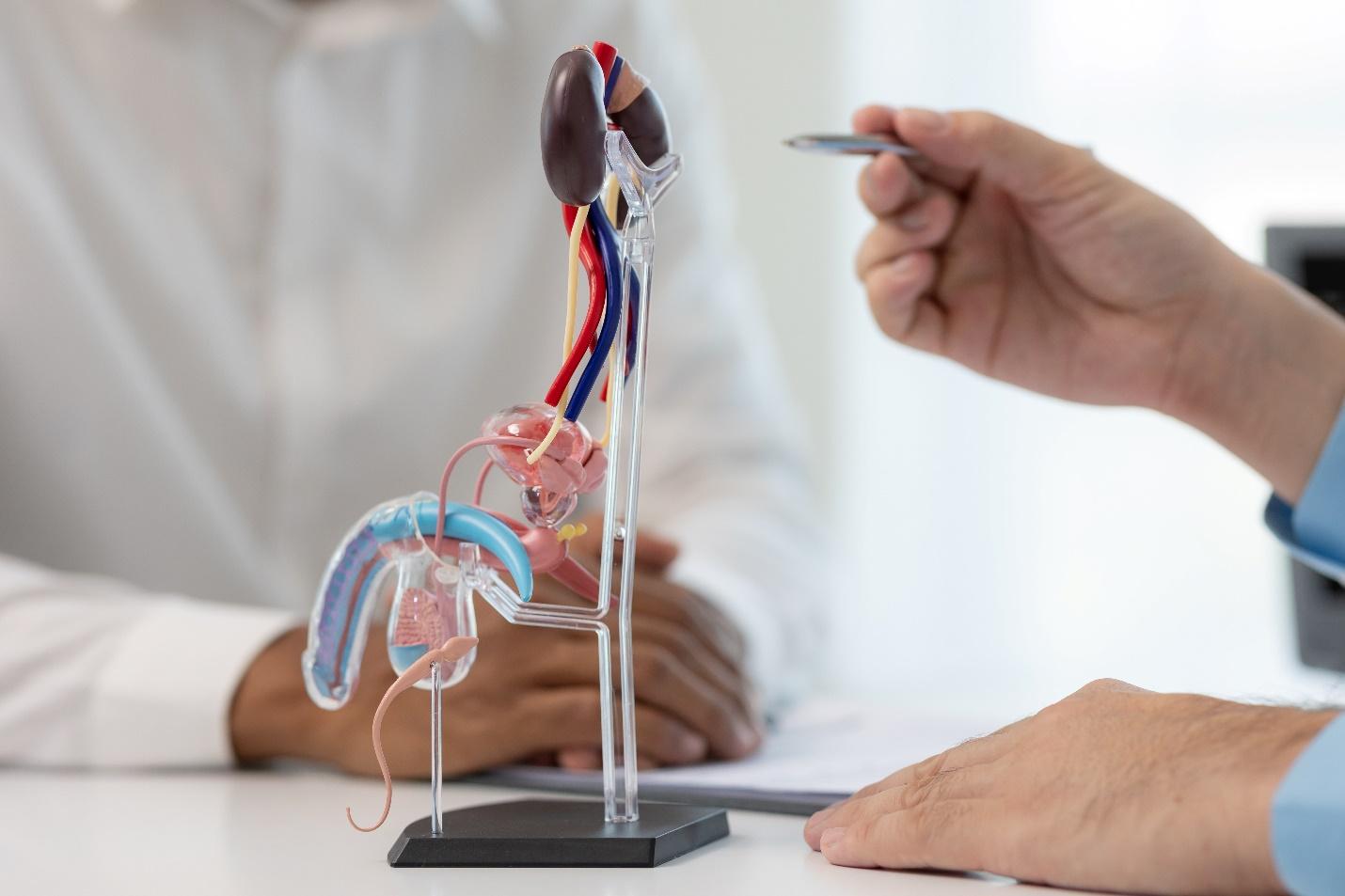
One of the most important things to understand about male infertility is that there may be no obvious symptoms.
A man can have normal erections, ejaculation and sexual intercourse while still having an abnormal semen analysis. The amount and appearance of semen also cannot reliably indicate whether sperm are healthy.
As such, some of the possible signs or symptoms include:
- Difficulty conceiving – the most common indication is that pregnancy has not occurred despite regular, unprotected intercourse
- Erectile or ejaculation problems – difficulty achieving an erection, maintaining one or ejaculating can interfere with natural conception
- Testicular pain, swelling or changes – discomfort, heaviness, swelling or changes in testicular size may point to an underlying urological condition
- Reduced sex drive – a persistent reduction in libido may sometimes be associated with hormonal or other health problems
- Signs of hormonal imbalance – changes such as reduced body hair, loss of muscle mass or other symptoms may warrant hormonal assessment in the appropriate clinical context
- Previous reproductive or urological problems – a history of undescended testes, testicular injury, infections or reproductive surgery may provide important clues even when there are no current symptoms
What Factors Can Increase the Risk of Male Infertility?
Men may have a higher risk of fertility problems if they have:
- Advancing age – sperm quality and reproductive function can change with age, with potential declines in sperm concentration, motility and DNA quality that may make conception more difficult.
- Previous testicular disease, injury or surgery – conditions affecting the testes, significant testicular injury, previous infections or surgery involving the groin and reproductive tract can impair sperm production or interfere with sperm transport.
- Anabolic steroid or exogenous testosterone use – anabolic steroids and external testosterone can suppress the hormonal signals that stimulate sperm production, potentially reducing or even stopping sperm production while they are being used.
- Cancer treatment or selected medications – chemotherapy and radiotherapy can damage sperm-producing cells, while certain medications may interfere with sperm production, hormonal function or sexual and reproductive health.
- Chronic or metabolic health conditions, including obesity – conditions that affect metabolic health, hormones, blood vessels or overall reproductive function can negatively influence sperm production and quality, while obesity may further disrupt hormonal balance.
- Environmental and lifestyle exposures – smoking, heavy alcohol consumption, prolonged heat exposure and certain occupational chemicals or toxins can increase oxidative stress or interfere with sperm production and quality
How Is Male Infertility Diagnosed in Singapore?

The condition is usually assessed with a reproductive history, physical examination and semen analysis, with hormone, imaging or genetic tests added when clinically indicated.
Depending on your condition and initial findings, assessment may include:
- Medical review– our urologist will discuss how long you and your partner have been trying to conceive, previous pregnancies or fertility treatment, sexual and ejaculation function, medical conditions, previous infections or surgery, medications and supplements, lifestyle factors, previous cancer treatment and relevant family history. This helps identify potential causes and determine which investigations may be appropriate.
- Physical examination– our urologist may examine the testicles, epididymis, vas deferens and other aspects of the reproductive system. This can help identify physical findings such as a varicocele, differences in testicular size or abnormalities of the reproductive tract.
- Semen analysis– a semen analysis assesses sperm concentration, total sperm number, motility, morphology and semen volume. An abnormal result does not automatically mean that a man cannot father a child, as semen parameters can vary between samples. Repeat testing may therefore be recommended when the initial result is abnormal.
- Hormonal testing– blood tests are not required routinely for every man. They may be recommended when semen analysis, examination findings, libido, erectile function or other symptoms suggest impaired sperm production or a hormonal disorder.
- Ultrasound and imaging– ultrasound or other imaging may be recommended when there is a concern about the testes, reproductive tract or a possible obstruction. Not every man with infertility requires imaging and the decision is based on the findings from the medical review, physical examination and semen analysis.
- Genetic testing– genetic investigations may be considered when sperm production is severely impaired, particularly when sperm counts are extremely low or no sperm are found. Identifying a genetic cause can help explain infertility, guide treatment decisions and provide useful information when planning assisted reproductive treatment (ART).
How Is Male Infertility Treated in Singapore?

Male infertility treatment is tailored to the underlying cause and may include medical or surgical approaches.
Lifestyle and health optimisation
- Reviewing medications and supplements– some medications and supplements can affect reproductive function. These should be reviewed with a doctor rather than stopped independently
- Avoiding non-prescribed anabolic steroids or testosterone– these can suppress the body's natural hormone signals and significantly reduce sperm production in men trying to conceive
- Healthy weight and physical activity – maintaining a healthy weight and exercising regularly support general metabolic and reproductive health
- Smoking and alcohol – stopping smoking and limiting excessive alcohol intake may reduce factors associated with poorer reproductive health
- Limiting prolonged heat exposure– reducing repeated exposure to excessive heat around the testes may help minimise its potential effect on sperm production
Varicocele surgery
- Assessment before treatment– a varicocele does not automatically require surgery. Dr Lee will consider the physical findings, semen analysis and the couple's fertility circumstances before recommending treatment
- Varicocelectomy– the microsurgical treatment of varicocele may be considered in selected men who are trying to conceive and have a palpable varicocele together with abnormal semen parameters
- Individualised treatment planning– the decision to proceed with varicocele surgery depends on the severity of the varicocele, semen parameters, fertility goals and other factors affecting conception
Surgical sperm retrieval
- Sperm retrieval from the epididymis or testicle– in some men with azoospermia, sperm may still be present within the reproductive tract or testicular tissue and can potentially be retrieved for assisted reproductive treatment
- Microsurgical sperm retrieval – depending on the underlying cause, microsurgical techniques may be used to locate areas of sperm production while aiming to minimise unnecessary damage to the testicular tissue
Medical and hormonal considerations
- Addressing underlying hormonal problems– certain hormonal conditions can interfere with sperm production and require specialist assessment to determine the appropriate management
- Testosterone and fertility– Testosterone replacement therapy (TRT) may be appropriate for selected men with clinically confirmed testosterone deficiency, but it is not used to treat infertility in men trying to conceive because exogenous testosterone can suppress sperm production. Men experiencing both low-testosterone symptoms and fertility concerns should discuss both goals before beginning hormone treatment.
Treatment of sperm-transport obstruction
In selected men with an identifiable blockage in the reproductive tract, microsurgical reconstruction or treatment of an ejaculatory-duct obstruction may be considered. Men who had vasectomy in the past can undergo vasectomy reversal microsurgery. Whether reconstruction or sperm retrieval with assisted reproduction is more appropriate depends on the location and cause of the obstruction, the couple's fertility circumstances and individual treatment goals.
Assisted reproductive treatment
Depending on the semen findings and the fertility of both partners, assisted reproductive techniques such as intrauterine insemination (IUI), in-vitro fertilisation (IVF) or intracytoplasmic sperm injection (ICSI) may be considered. In selected men with azoospermia, surgically retrieved sperm may be used with ICSI.
In such cases, the treatment planning usually involves coordination with the couple's fertility specialist.
Why Choosing the Right Urologist Matters
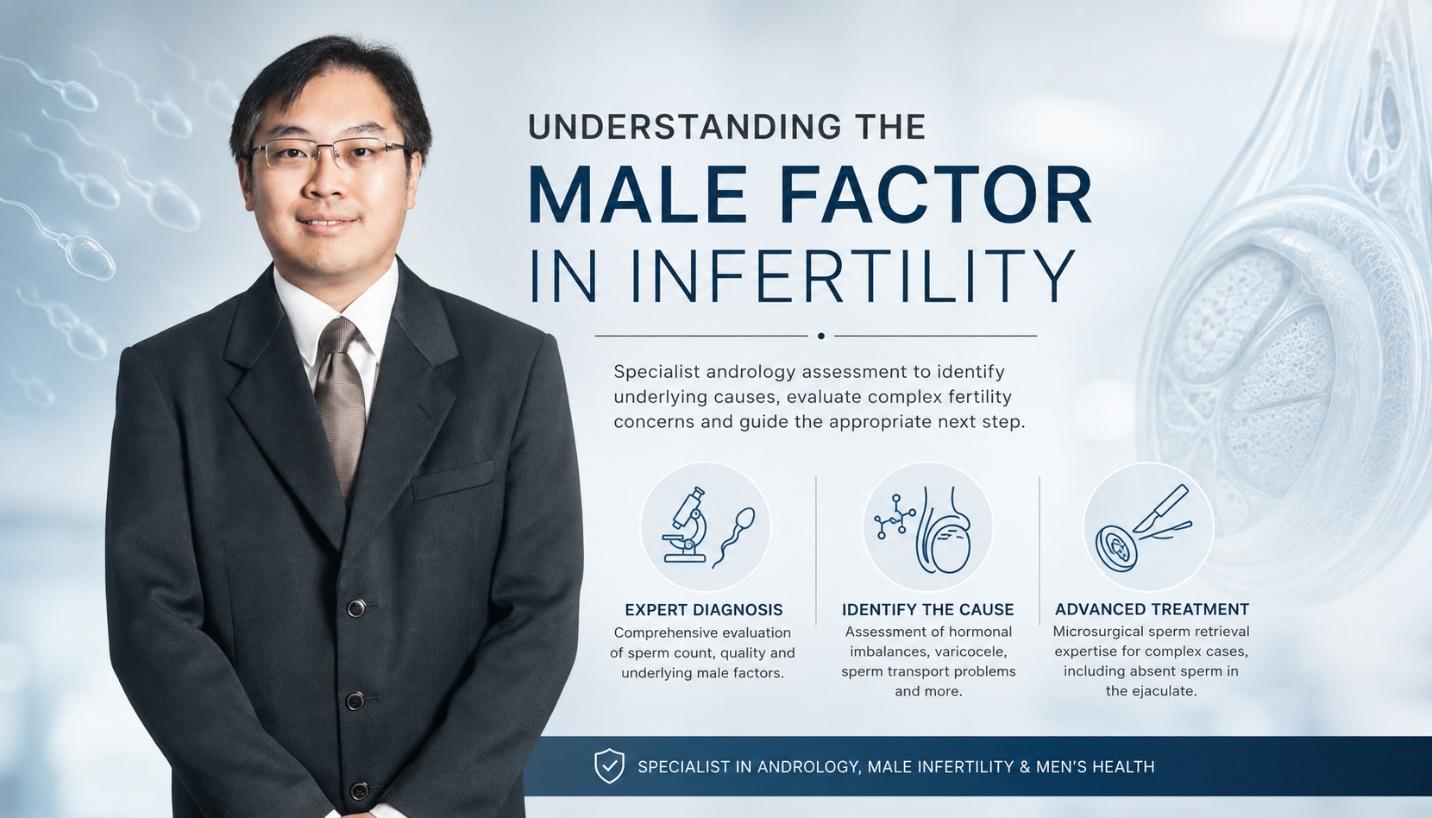
Male infertility can involve the urinary system, reproductive organs, hormones, sexual function and genetics. A semen analysis may identify that something is abnormal, but it does not always explain why.
An andrology-focused urologist can investigate these different aspects of male reproductive health and determine whether further treatment or fertility intervention is appropriate.
Specialist expertise in andrology
Dr Joe Lee (link to doctor’s page) is a Senior Consultant Urologist with a practice focus in andrology, male infertility and men's health. Before entering private practice, he served as Senior Consultant and Director of Andrology & Male Reproductive Medicine at NUH. He also completed an Andrology Fellowship at St Joseph Hospital, University of Western Ontario, where his training included microsurgery and sperm retrieval.
This background is particularly relevant for men with severe sperm abnormalities, azoospermia, varicocele, suspected reproductive-tract obstruction or sexual and hormonal conditions affecting fertility.
When Should You See an Andrologist for Male Infertility?

Male infertility can result from several different causes, some of which are treatable. A specialist assessment can help determine whether sperm production, sperm transport, hormones, sexual function or another reproductive factor may be contributing.
If you and your partner have been trying to conceive without success or you already have an abnormal semen analysis or other reproductive concerns, book an appointment (link to contact us) with Dr Joe Lee to discuss the appropriate next steps.
Frequently Asked Questions
ELEMENT | GENERAL UROLOGY | ANDROLOGY-FOCUSED UROLOGY |
Main scope | Urinary tract and prostate conditions conditions | Male reproductive and sexual health |
Fertility focus | May assess male fertility problems | Greater focus on infertility, sperm disorders and reproductive function |
Procedures | Broad urological surgery | Specialised reproductive microsurgery, varicocele repair, sperm retrieval and vasectomy reversal. |