


Definition | Low libido refers to a persistent or recurring reduction in sexual desire, interest or sexual thoughts that is noticeable to the individual and may cause personal or relationship distress. |
Causes | Possible contributors include low testosterone and other hormonal problems, medications, chronic illnesses, stress, depression, relationship difficulties, erectile dysfunction and lifestyle factors. Several factors may occur together. |
Symptoms | Reduced interest in sex, fewer sexual thoughts or fantasies, less spontaneous desire, reduced initiation of sexual activity or a noticeable change from previous sexual interest. |
Diagnosis | Assessment usually involves a detailed medical and sexual history, review of medications and psychological or relationship factors, physical examination and targeted blood tests when appropriate. |
Treatment | Treatment depends on the underlying cause and may involve addressing medical conditions, adjusting medications, treating testosterone deficiency where appropriate, improving sexual or relationship factors and making relevant lifestyle changes. |

Sexual desire is not a constant.
There may be periods when work is demanding, sleep is poor or life simply feels overwhelming. During these times, sex may naturally move down the list of priorities. That does not necessarily mean something is wrong.
The concern is different when a noticeable drop in sexual interest persists, particularly when it feels out of character or starts affecting intimacy, confidence or a relationship.
Some men describe it as no longer thinking about sex. Others still enjoy intimacy when it happens but rarely feel the urge to initiate it. For some, the change is accompanied by erectile difficulties, tiredness or other physical symptoms.
Low libido can have many possible explanations and it is not always caused by testosterone. Hormonal, physical, psychological, medication related and relationship factors can overlap.
What Does Low Libido Actually Mean?
Libido, or sexual desire, is the interest or motivation to engage in sexual activity. It can involve sexual thoughts and fantasies, the desire for intimacy with a partner, or an interest in sexual activity on your own.
There is no single level of sexual desire that every man should have.
What matters clinically is whether there has been a persistent or recurring reduction in desire compared with what is normal for that individual and whether it is causing distress or difficulty in his life or relationship. The EAU describes male hypoactive sexual desire disorder as a persistent or recurrent deficiency or absence of sexual or erotic thoughts, fantasies and desire for sexual activity.
Low libido is not the same as erectile dysfunction
These two problems are often confused.
Low libido means you do not feel much desire for sexual activity, while erectile dysfunction (ED) means you have difficulty getting or maintaining an erection suitable for sexual activity.
They can occur independently, but they can also influence one another. For example, a man who repeatedly struggles with erections may begin avoiding sex because he anticipates another difficult experience. Over time, this can affect his desire as well.
That is why a proper assessment should look at the whole sexual picture rather than treating libido as an isolated symptom.
What Can Cause Low Sex Drive in Men?

There is rarely one universal explanation for reduced sexual desire. In many men, several smaller factors gradually add up.
Hormonal and medical factors
- Low testosterone – testosterone plays an important role in male sexual desire, although libido cannot be judged from testosterone levels alone. Low testosterone (link to low testosterone) is more meaningful when it occurs together with compatible symptoms and consistently low blood levels.
- High prolactin or thyroid disorders – hormonal disturbances involving prolactin or thyroid function can affect sexual desire and may need to be investigated when the symptoms suggest an endocrine problem.
- Chronic medical conditions – diabetes, cardiovascular disease, kidney disease and other long-term illnesses may affect sexual desire through changes in hormones, energy, general health or sexual function.
- Erectile or other sexual problems – ED, premature ejaculation, lower urinary tract symptoms and some prostate or pelvic conditions have been associated with reduced sexual desire.
Psychological and emotional factors
- Stress and anxiety – when the mind is occupied with work, finances, family responsibilities or other worries, sexual thoughts may naturally become less prominent.
- Depression – depression can reduce interest and pleasure in many areas of life, including sex. It can also affect energy, motivation and sexual confidence.
- Performance concerns – worrying about erections, ejaculation or sexual performance can shift attention away from arousal and towards fear of what might happen.
- Emotional exhaustion – persistent fatigue, poor sleep and feeling mentally drained can make sexual intimacy feel like another demand rather than something enjoyable.
Medication-related causes
Certain medicines can interfere with sexual desire. These include some antidepressants, antipsychotic medicines, blood pressure medications and other drugs that affect the nervous or hormonal systems.
If a change in libido began after starting or changing a medication, it is worth mentioning this during your consultation. The medication should not be stopped abruptly without medical advice.
Relationship and sexual factors
- Relationship conflict – ongoing disagreements, emotional distance or difficulty communicating about sex can gradually affect desire.
- Differences in sexual desire – partners do not necessarily have the same level of sexual interest at the same time. A difference in libido does not automatically mean that either person has a medical problem.
- Negative sexual experiences – previous difficulties, embarrassment or anxiety around sex may influence how a man approaches intimacy later on.
Could Low Libido Be a Sign of Low Testosterone?
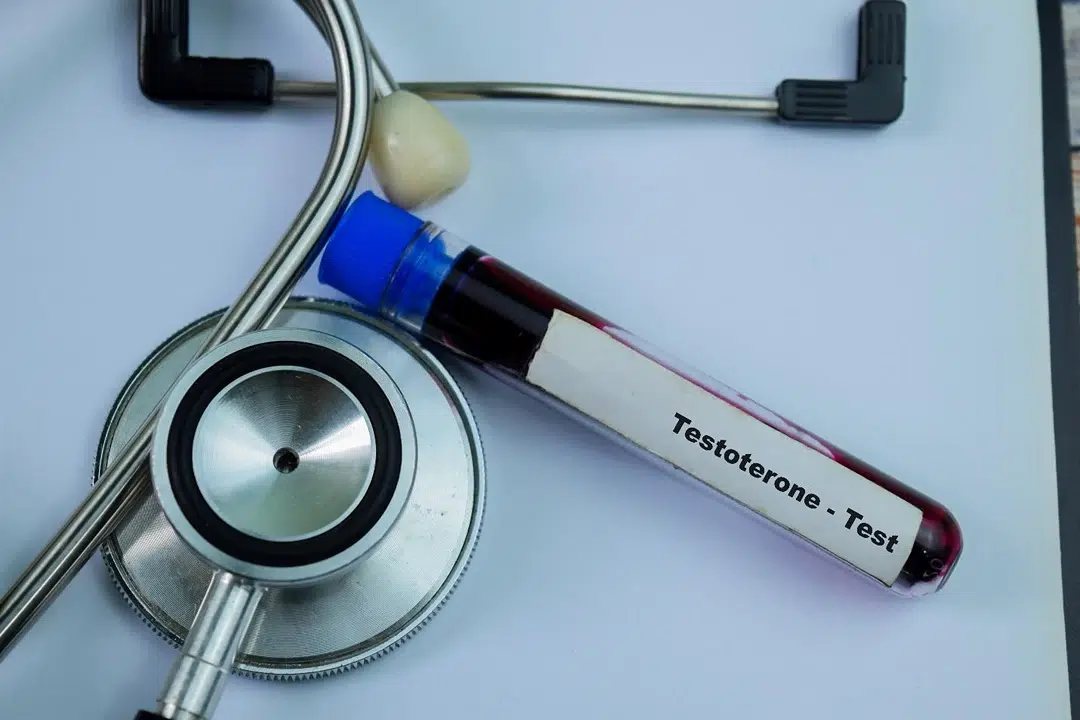
Low libido can be a sign of low testosterone, but it by itself does not prove that testosterone is low.
This is an important distinction because testosterone levels naturally vary between individuals and symptoms such as low energy, reduced motivation and lower sexual interest can have many causes.
When testosterone deficiency is suspected, doctors generally look for compatible symptoms and confirm consistently low testosterone with properly timed blood tests. Other hormones may also be relevant depending on the clinical picture, including prolactin and thyroid hormones.
The goal is therefore not simply to “boost testosterone”, but to determine why sexual desire has changed in the first place.
When Should Low Sex Drive Be Taken Seriously?
A temporary dip in sexual interest is not necessarily a medical problem. It becomes more worthwhile to seek an assessment when the change is persistent, significant, unexplained or noticeably different from your previous level of desire.
It is particularly useful to speak with a doctor if low libido occurs together with:
- Erectile difficulties
- Reduced energy or persistent fatigue
- Changes in mood
- Reduced spontaneous or morning erections
- Changes in body composition or muscle strength
- Infertility or difficulty conceiving
- Testicular changes
- Urinary or prostate symptoms
- A recent change in medication
- Other symptoms suggesting a hormonal or medical problem
Who Is More Likely to Experience Low Libido?

Low sexual desire can occur at almost any age. While desire may change over the course of a man's life, ageing alone does not explain every case.
Factors associated with lower sexual desire include:
- Increasing age – sexual desire may gradually change with age, although the degree of change varies considerably between individuals.
- Vascular disease and metabolic conditions – conditions such as diabetes and cardiovascular disease can be associated with sexual problems, including reduced desire.
- Certain medications – some medicines can reduce libido as a side effect.
- Poor overall health – chronic illness and reduced physical wellbeing can affect energy, hormones and sexual function.
- Smoking and heavy alcohol use – these can affect general health and sexual function.
- Depression and significant stress – emotional wellbeing has a strong connection with sexual desire.
- Relationship difficulties – ongoing conflict, emotional distance or major changes within a relationship can affect sexual interest.
Can Low Libido Be Related to Erectile Dysfunction?
The two conditions can exist together, but one does not automatically cause the other.
For some men, the sequence goes in one direction: repeated difficulty achieving an erection creates worry, avoidance and eventually less interest in sex. For others, low desire comes first. They may still be physically capable of having an erection, but simply do not feel sufficiently interested or motivated to initiate sexual activity.
There may also be a shared underlying cause, such as testosterone deficiency, depression, diabetes or medication side effects. This is why assessing libido alongside erection quality, ejaculation, orgasm, urinary symptoms and overall health can provide a much clearer picture.
Can Low Libido Affect Fertility?
Low libido does not directly mean that a man is infertile.
However, reduced sexual desire can make intercourse less frequent or make it more difficult for a couple to have intercourse during the fertile window. If low libido is caused by testosterone deficiency, there may also be a separate reproductive concern that needs to be considered.
This is particularly important because testosterone treatment is not a fertility treatment. Men who are trying to conceive should tell their doctor before starting testosterone therapy so that reproductive goals can be taken into account.
Where fertility is a concern, the assessment can look at both sexual function and reproductive health rather than treating them as completely separate issues.
How Is Low Libido Diagnosed in Men?

There is no single blood test or scan that can explain every case of low sexual desire. The assessment starts with understanding what has changed, when it changed and what else was happening at the time.
It is then followed by:
- Medical and sexual history – our doctor may ask about your usual level of desire, when the change began, whether it is constant or situation dependent, sexual thoughts and fantasies, erections, ejaculation, orgasm, masturbation, relationship circumstances, sleep, stress, medications and existing medical conditions.
- Medication review – prescription medicines, supplements and substances should be reviewed because some can affect sexual desire or hormone levels.
- Psychological and relationship assessment – stress, anxiety, depression, relationship conflict and sexual concerns can all influence desire. Understanding these factors is part of a proper sexual health assessment rather than assuming the problem is purely hormonal.
- Physical examination – an examination may help identify signs of hormonal deficiency, testicular problems or other conditions that could be contributing to sexual dysfunction.
- Blood tests – depending on the symptoms, testing may include morning total testosterone and other targeted investigations such as prolactin, thyroid function, glucose or other metabolic markers.
- Further investigations – additional tests are considered when the history or examination points towards a specific medical, hormonal or neurological cause. They are not automatically required for every man with reduced libido.
How Is Low Sex Drive Treated in Singapore?
The treatment plan should follow the reason behind the change rather than simply trying to increase sexual desire directly:
- Treating an underlying medical condition – diabetes, thyroid disorders, hormonal abnormalities and other medical problems should be addressed when they are contributing to reduced sexual desire.
- Reviewing medications – if a medication appears to be affecting libido, our doctor may consider adjusting the treatment or changing to another option where appropriate. This should always be done under medical supervision.
- Treating testosterone deficiency – testosterone therapy may be considered when a man has compatible symptoms and confirmed testosterone deficiency. It is not intended as a general treatment for low libido when testosterone levels are normal.
- Addressing erectile dysfunction or other sexual problems – improving another sexual difficulty may help break the cycle of anxiety, avoidance and reduced desire when the problems are connected.
- Psychological or psychosexual support – where stress, anxiety, depression, sexual concerns or relationship difficulties are involved, psychological or psychosexual therapy may form part of treatment. Cognitive and behavioural approaches may be useful for some men, although the evidence for psychological treatments specifically targeting low libido remains limited.
- Working on overall health – regular physical activity, adequate sleep, weight management where appropriate and better management of chronic medical conditions can support overall sexual health.
Does Testosterone Treatment Always Improve Libido?

Testosterone therapy can improve sexual desire in men who have genuine testosterone deficiency, but it is not appropriate simply because libido has fallen or because testosterone is perceived to decline with age.
A proper diagnosis involves both symptoms and consistently low testosterone measurements. Other reversible contributors should also be considered. This distinction matters because treating the wrong cause may not improve sexual desire and could expose a man to unnecessary treatment.
If fertility is important, testosterone treatment also needs particular consideration because external testosterone can affect sperm production. This should be discussed before treatment is started.
Why See an Andrology-Focused Urologist for Low Libido?
Low sexual desire sits at the intersection of several areas of men's health.
Hormones, erections, ejaculation, reproductive function, medications, metabolic health, psychological wellbeing and relationship factors can all have a role. An andrology-focused urologist is trained to look at these issues together rather than viewing libido in isolation.
Dr Joe Lee is a Senior Consultant Urologist with a subspecialty focus on andrology, men's health and sexual health. His approach to low libido is centred on identifying the factors contributing to the change before deciding whether treatment is needed.
For some men, the answer may involve investigating testosterone or another hormonal problem. For others, the more relevant issue may be medication, erectile dysfunction, stress, relationship factors or an underlying medical condition.
The aim is not simply to make you feel more interested in sex. It is to understand why your sexual desire has changed and what can be done about it.
When Should You See a Urologist About Low Libido?
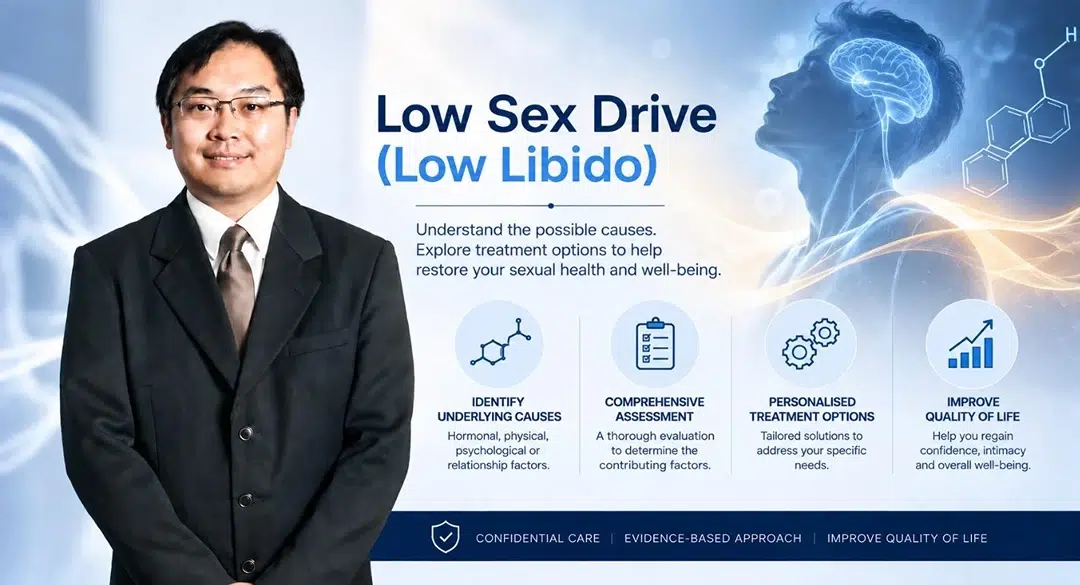
Consider an assessment if your sex drive has remained noticeably lower than usual, particularly when you cannot identify an obvious reason for the change.
Booking a consultation especially worthwhile when reduced desire occurs alongside erectile dysfunction, changes in erections, infertility, fatigue, mood changes, testicular symptoms, urinary problems or other signs of a possible hormonal or medical condition.
You do not need to wait until the problem has significantly affected your relationship to seek help. Sometimes, understanding what is behind the change is enough to make the next step much clearer.
Frequently Asked Questions
Yes, significant or prolonged stress can affect sexual interest even when there is no obvious hormonal or physical illness. If desire improves when stress levels settle, this may provide an important clue about what is contributing to the problem.